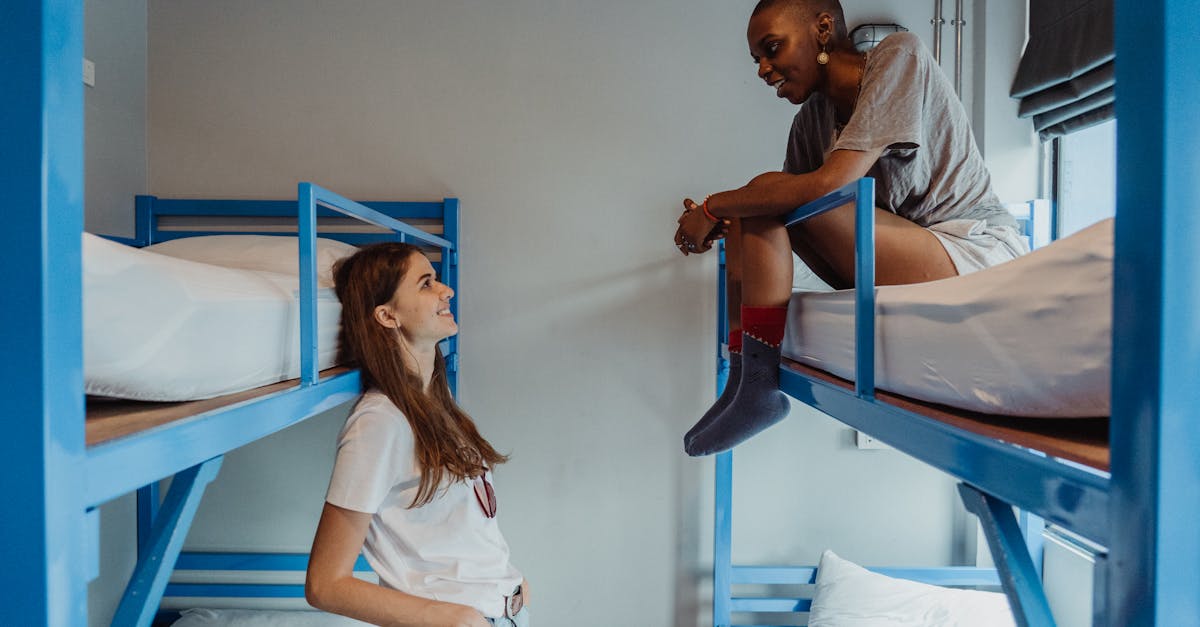
Same City, Same Wage, Charged the Nomad Rate for a Bunk
Manila coliving spaces slap 'digital nomad' on Filipino remote workers, then bill foreigner rents for a bed in a shared room and hand over no lease.


A Manila remote worker checks into a coliving space, and the price on the wall reads like it was set for someone flying in on a tourist visa. The listing calls the room a 'digital nomad hub.' What that buys is a bunk in a shared room, a shared bathroom down the hall, and a monthly rate priced in dollars-adjacent numbers no local salary was built to absorb.
The label does the lifting. Call the tenant a nomad and the operator can act like the market is expats with foreign paychecks, even when the bed goes to someone earning peso rates from a client in the same time zone.
The pitch and the paperwork
The marketing promises community, fast wifi, and flexibility. The intake form asks for a deposit, an advance, and a signature on nothing that resembles a lease. Month-to-month becomes the whole arrangement, and month-to-month means the operator can reprice or clear you out whenever the next occupant looks more profitable.
Housing law in the Philippines has rules about deposits, notice, and eviction. Coliving operators route around them by calling the stay a service, not a tenancy. No lease, no protection, no clean paper trail when the deposit fails to come back.
Who the price is really for
The 'nomad' framing pretends the customer is a stranger to the city. Most of the beds go to Filipinos who already live and work here, priced out of a proper unit and boxed into shared rooms because a studio in the same district costs more than a junior remote salary clears in a month.
Advocacy groups tracking rental abuse have flagged this pattern for a while: strip the tenant of the word tenant, and the standard protections stop applying. The bunk gets the branding of a boutique stay. The occupant gets none of the security of a home.
Community, priced by the head
The common area photos sell belonging. The math sells beds. Four or six people in a room, each billed a premium the operator justifies by the wifi speed and the coffee machine, and the total per room clears more than a whole apartment would fetch on a regular lease.
Complain and the answer is that you're free to leave, because nothing binds either side. That freedom runs one direction. You can walk, and so can your deposit, and the operator can raise the rate on the same bed the week you go.
The people filling these rooms aren't passing through. They're the ones who couldn't crack the deposit on a real unit, handed a foreigner's bill for a bed, and asked to smile about the community while the operator holds every card and signs nothing.