
Rent Pays for a Rooftop Mixer. The Cleaner Who Set It Up Clocks Out First.
Makati co-living spaces sell community in the lease. The hosting labor behind it comes off the clock, and the staff absorb the hours nobody counts.

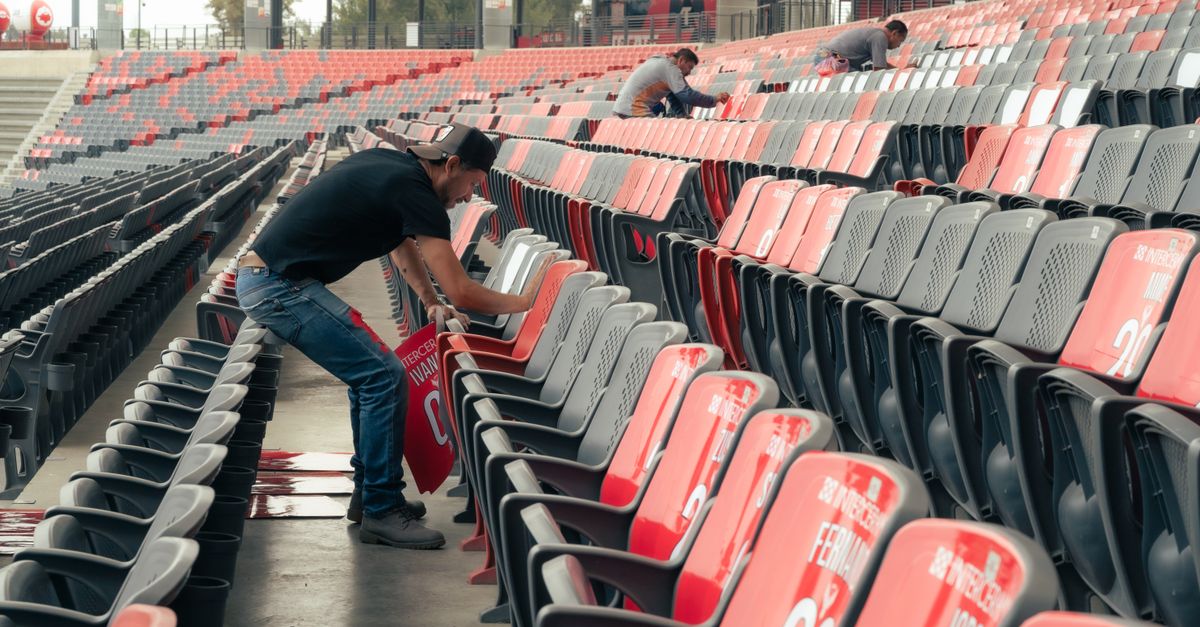
A Makati co-living lease reads like a lifestyle subscription. Private pod, shared kitchen, fast WiFi, and a line item for "community programming": wine nights, yoga on the roof, a networking mixer with name tags and a Spotify playlist. Tenants pay for it whether they show up or not.
The events run on labor the lease never mentions. Someone drags the tables, chills the drinks, resets the space at 11 p.m., and mops before the first alarm clock goes off the next morning. That someone is usually the cleaning staff, and the hosting hours often land outside the shift they actually get paid for.
The hours that disappear from the timesheet
Cleaning contracts in these buildings are written around turnover and common areas. A rooftop social at 8 p.m. is neither. So the setup and teardown get folded into "reasonable duties" or treated as a favor, a stretch of work that exists in the night but not in the pay computation.
Labor rules on this are not vague. Hours worked past the regular shift are overtime, and work after 10 p.m. carries a night differential. Advocacy groups that track outsourced building staff report the same pattern across serviced residences: the differentials go unpaid because the hours never make it onto the record the payroll runs from.
The tenant sees polish. The glasses are clean, the chairs are aligned, the toilets smell like citrus. None of that reveals who stayed late to make it happen, or whether they were paid for staying.
The contract layers that hide the bill
Most of these staff are not employed by the co-living brand. They come through a cleaning agency, which the operator pays a flat rate. When the operator wants a mixer staffed, the cost of that extra labor doesn't magically appear in the agency fee. It gets absorbed somewhere, and the somewhere is the worker at the bottom of the stack.
Agency setups let both parties point sideways. The operator says the agency handles wages. The agency says it only bills for the hours the operator approved. The hours spent flipping a lounge into an event space sit in the gap between the two, and the gap doesn't pay night differential.
The economics are clean for everyone except the person holding the mop. "Community" is a premium the tenant pays monthly. For the operator it's a selling point that justifies a higher rent than a plain studio down the street. The cost of producing it keeps shrinking toward zero because the hosting labor is quietly subtracted from the people least able to refuse it.
Who the amenity actually runs on
The pitch targets young professionals who want built-in friends and a reason to stay in Makati despite the price. Fair enough. The friction is who finances the warmth.
If a lease charges for events, the staff producing those events deserve the hours on paper: the overtime rate, the night differential, the clock that starts when the chairs come out and stops when the floor is dry. A mixer that depends on unpaid 11 p.m. labor is not an amenity. It's a transfer, from the person cleaning up to the person signing the lease, and nobody put it in writing.


