Penang Co-Living Pods Charge Bangsar Studio Rent for a Bunk Above a Kopitiam
George Town shophouse upper floors are being sliced into 12-bed pods that cost more per square meter than a KL studio. The math is brutal.


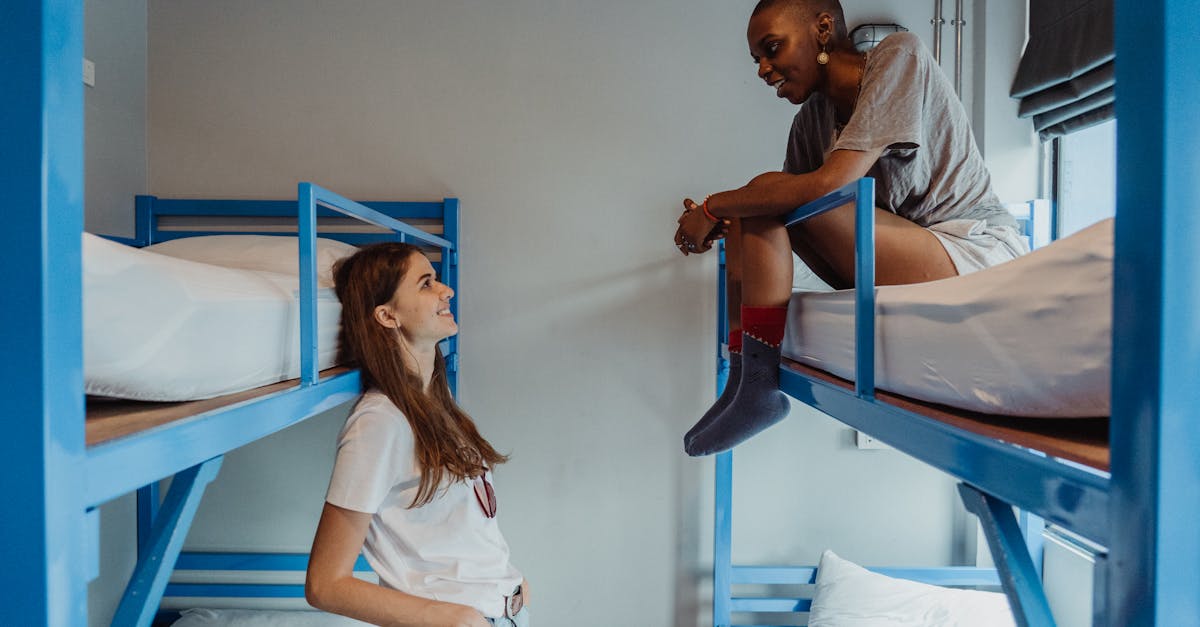
A bunk in a George Town shophouse co-living pod is being marketed as the affordable Penang option. Per square meter, operators are charging more than a Bangsar studio goes for. The tenant gets a curtain instead of a door.
Operators have spent the last few years converting upper floors of heritage shophouses into co-living layouts. The pattern is consistent across George Town's core zone. Strip the partitions, drop in roughly 12 plywood pods per floor, share two toilets between everyone, market the result as heritage living for digital nomads and young professionals priced out of the mainland.
The pod economics
Run the math on any of these listings and the per-square-meter rent on a pod beats a comparably located Klang Valley studio. Twelve bunks on a single upper floor pull a rent roll that the same floor could not command as one family unit. The operator's spreadsheet works because the denominator shrinks faster than the price drops.
The shophouse bunk ends up costing more per square meter than a studio in Bangsar. For that premium, the tenant shares sanitation with 11 strangers and stores their clothes in a duffel bag under a plywood shelf.
Who is actually living there
The marketing decks show remote workers from Berlin and Seoul. Talk to operators and tenants and the rolls look different. Factory workers in Bayan Lepas. Nursing and medical students. Junior staff at George Town offices who took the job before checking what a one-bedroom near work actually rents for.
The pod is what is left after the family-sized upper floors got converted, after long-term rentals shifted into short-stay platforms, and after the new condos around the island priced in budgets that local salaries do not clear.
The heritage problem nobody enforces
George Town's UNESCO listing comes with conservation rules about how shophouse interiors can be modified. Subdividing an upper floor into a dozen sleeping cells with shared sanitation is not what those guidelines had in mind. Heritage advocates have raised the conversions publicly. The pods stay open.
Enforcement, where it happens, is slower than the rent roll. The economics absorb the penalty.
What the lease actually does
Pod contracts in this market tend toward short terms and operator-friendly clauses. Deposits, utility splits, and house rules get set by the operator with little room to negotiate. The tenant who works night shifts at a factory ends up sharing a utility bill with the laptop tenant running aircon until 4AM. Complain and the next month-to-month renewal is the leverage.
The model is spreading. Operators in other Malaysian heritage cities are watching George Town as the template.
Twelve bunks, two toilets, a rent roll off a building someone's grandfather bought decades ago for a fraction of one year's current take. The grandkids who sold are in Mont Kiara. The tenants paying the new rent are the ones who took jobs in Penang because Penang was supposed to be the affordable option.