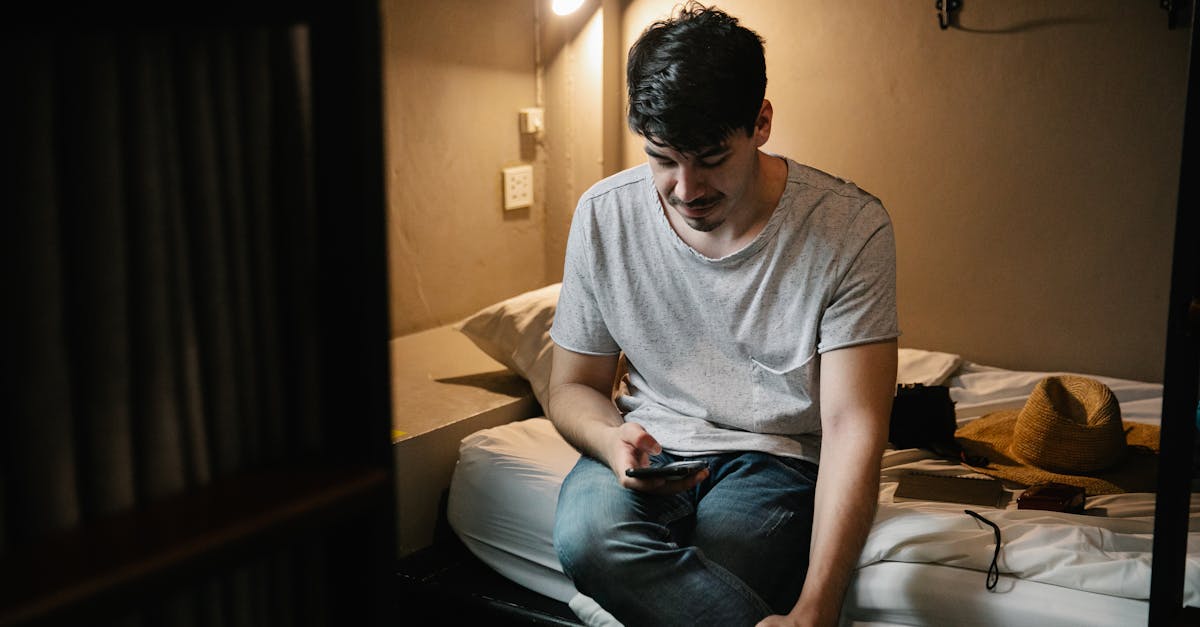
Manila Therapists Run Saturday Sessions at Co-Working Desks Because the Clinic Rate Lost the Patient
An underground sliding-scale network is keeping young Manila patients in therapy after clinic price hikes cut off their referrals mid-treatment.


Walk into a co-working space in Quezon City on a Saturday morning and the meeting rooms are booked under names like Maria L. or J.R. Reyes. Inside, a licensed psychologist is seeing a patient for ₱800. The clinic that referred them charges ₱3,500.
This is how a chunk of young Manila stays in treatment in 2026. Not through HMOs, which still cap mental health at a few sessions a year. Not through the Mental Health Act hotline, which routes you back to the same overbooked public hospitals. Through a quiet roster of therapists running sliding-scale weekends out of shared offices, paid in GCash, scheduled by group chat.
How the rate gap broke the referral chain
Private clinic rates in Metro Manila climbed past ₱3,000 a session over the last two years. Senior practitioners quote ₱4,500 to ₱6,000. For a fresh graduate making ₱22,000 a month in BGC, that is a week of groceries for 50 minutes.
Therapists watched their own referrals stop showing up. Patients would do an intake, get a diagnosis, then ghost the follow-up because the math did not work. Some clinicians started telling clients off the record: I see people on Saturdays for less, message me directly.
That message turned into a network. Therapists rent a co-working day pass for ₱400 to ₱600, see three to five patients back-to-back, and charge ₱700 to ₱1,200 on a sliding scale. The patient picks what they can pay. No clinic overhead, no receptionist, no insurance paperwork.
Why it has to stay quiet
Most of these therapists are still on staff at private clinics or hospitals. Their contracts forbid seeing clinic referrals outside the clinic. A few have non-compete clauses that bar private practice within a radius of their employer.
So the Saturday work runs on first names, encrypted chats, and patient referrals that travel through barkada and Discord servers instead of clinic websites. Some therapists cap the sliding-scale slots at four a week to avoid burning out or getting caught. Others rotate co-working branches so the same building staff do not notice the pattern.
Patients learn the etiquette fast. Pay in GCash to a personal number. Do not tag the therapist on Instagram. Do not mention the Saturday session if you also see the same therapist on a weekday at the clinic.
What the network actually covers
The sliding-scale roster handles maintenance: weekly or biweekly talk therapy for anxiety, depression, ADHD adjustment, grief, queer clients who got priced out of affirming care. It does not handle psychiatric prescriptions. For meds, patients still need a psychiatrist visit at full rate, which is why some skip the consult and refill through whoever will write the script.
It also does not cover crisis. Therapists in the network are clear with patients: if you are in acute danger, the Saturday slot is not the answer, go to the ER. The network is built for the long middle of treatment, the part HMOs pretend does not exist.
The bargain underneath
A licensed psychologist is moonlighting in a co-working room for ₱900 a session because the formal system priced their own patients out. The patient is hiding the appointment from their HR-issued HMO because admitting to therapy still costs them at performance review. Both sides are working around a healthcare market that decided mental health was a premium add-on.
The Saturday slot holds because the alternative is the patient dropping out entirely. That is the deal everyone in the chat already signed.