Manila E-Sports Academies Bill Teens ₱8,000 a Month to Keep Their Winnings
Parents pay a monthly fee for their kids to 'go pro.' The training contract quietly assigns tournament prize money back to the academy.


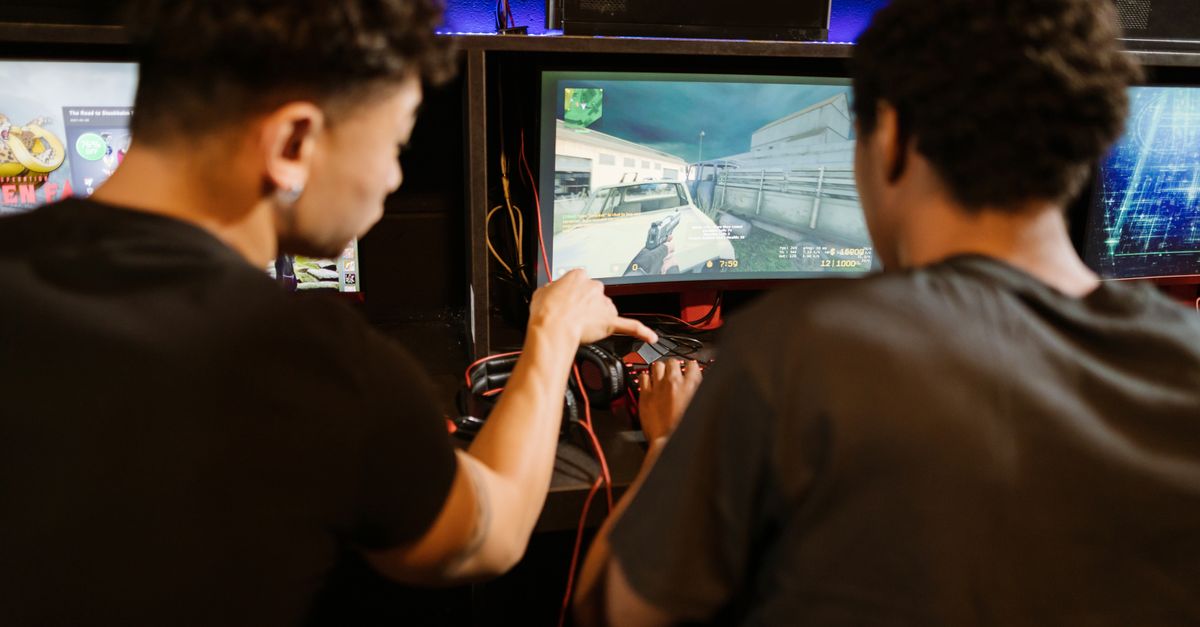
An ₱8,000 monthly fee gets your kid a seat, a shared PC, a coach who used to stream, and a laminated schedule that says scrim, VOD review, scrim. What it also gets you is a training contract that assigns the academy a cut of any prize money the kid wins, and in some cases the whole pot until the tuition is recouped. Nobody's lawyer reads it, because nobody in the room brought a lawyer.
The pitch lands because the dream is real enough. Filipino teams have won internationals in Mobile Legends. Salaried roster spots exist. So when an academy in Cubao or a mall unit in Cebu tells a 16-year-old he has the mechanics for tier one, the parents hear a path, not a sales close.
What the contract actually does
The fee is the honest part. The trap is the revenue clause. A minor signs, or a parent signs on the minor's behalf, agreeing that tournament earnings route to the academy first. Some contracts frame it as reimbursement for coaching and boot camp costs. Others just take a standing percentage on everything the student places in, for the length of the enrollment and sometimes past it.
Prize splits in the local grassroots scene are already thin. A weekend bracket might pay a few thousand pesos to the winning five. Route that through an academy cut and the players walk with lunch money after months of ten-hour practice days. The academy collects the tuition and the winnings, and it stacks that across every teenager on the floor.
Minors, contracts, and who's supposed to catch this
A contract signed by a minor is shaky ground under Philippine law, and one signed by a parent binding the child's future income is shakier still. Labor advocates have flagged that these arrangements sit in a gray zone between tuition, employment, and talent management, with no agency clearly minding it. There's no licensing body for an e-sports academy. Anyone with a lease and a dozen rigs can open one.
So the safeguards you'd expect around a working minor, the ones that apply to child performers and young athletes, mostly don't get triggered. The kid isn't classified as an employee. He's a paying student who also happens to generate revenue the school keeps.
The math parents never see
Run it forward. Twelve months at ₱8,000 is ₱96,000 out of pocket. Add the winnings the academy retains. The student's realistic exit is a chance at a tryout, unpaid grind hours, and a highlight reel he could have built at home for the price of electricity and a decent connection.
The ones who make salaried rosters would have surfaced through open online ladders anyway, where scouts actually watch. The rest age out of the amateur bracket having funded someone else's business, holding a contract they signed at 15 that quietly booked their prize money before they ever placed.
Before anyone signs, read the revenue clause out loud and ask one question: who cashes the check when the kid wins. If the answer isn't the kid, it isn't an academy. It's a fee the family pays to lose twice.