
Kick Streamers in Manila Cash Curacao Casino Checks PAGCOR Has No Address For
Twitch banned the slots streams. Kick welcomed them. The affiliate links land in Filipino group chats with peso payouts and no Philippine license attached.

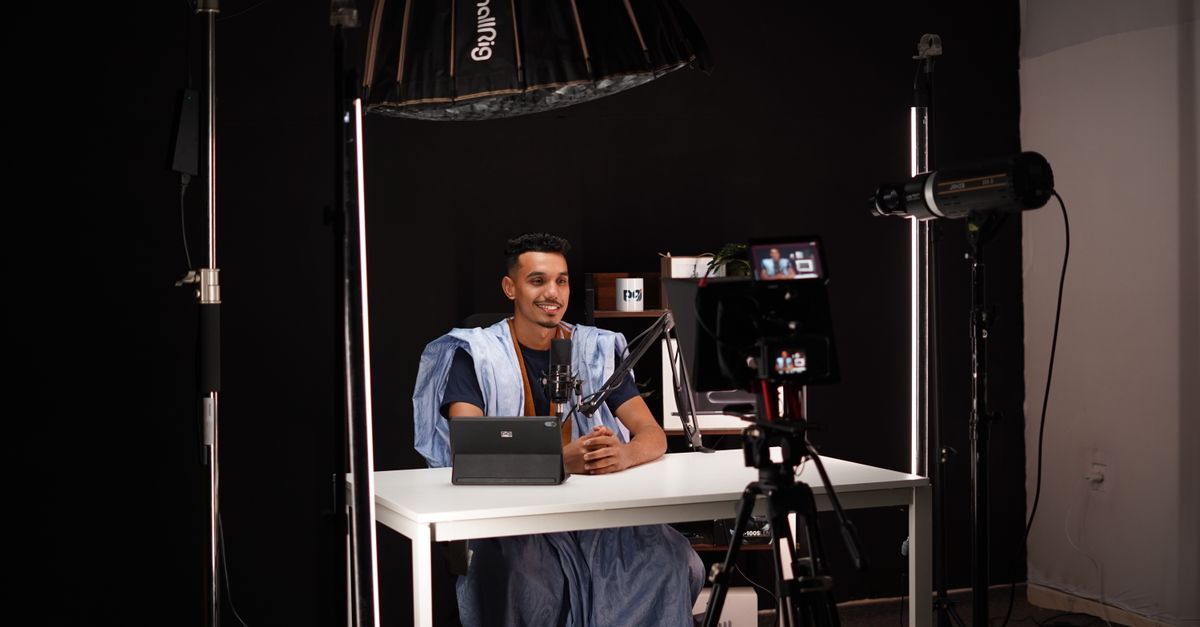
The slots streams Twitch kicked out in 2022 found a new home on Kick, and a generation of Manila streamers found a new revenue line. The sponsors paying them are offshore casinos licensed in Curacao, marketing to viewers ages 18-24 through Discord drops and stream overlays. PAGCOR has no contract with any of them.
The deal usually arrives as a DM. An affiliate manager offers a flat rate plus per-click commission, paid in USDT or wired to a GCash-linked corporate account in Hong Kong. Rates floating around Filipino streamer Discords sit anywhere from a few hundred pesos per redirect to four-figure peso bounties for a verified sign-up that deposits.
The redirect economy
The mechanics are simple enough to fit in a pinned chat message. The streamer posts a custom link, viewers click through, the affiliate dashboard logs the redirect, and the streamer gets paid by tier. Some packages pay a revenue share on lifetime losses, which is the part nobody puts on the overlay.
The casinos themselves operate out of jurisdictions that issue licenses by email. Curacao is the favorite because the paperwork is cheap and the compliance asks are light. None of these operators hold a PAGCOR offshore license, and most do not pretend to want one.
Who PAGCOR can actually bill
PAGCOR regulates Philippine-based gaming and, until the POGO ban, offshore operators physically hosted here. A Curacao site marketing through a Kick stream broadcast from a Pasig condo does not fit either box. The streamer is a Filipino taxpayer in theory. The platform is American. The casino is registered to a PO box in Willemstad.
The BIR can chase the streamer for income tax on the affiliate payouts, assuming the streamer declares them. Enforcement so far has focused on the larger creator economy, not on gambling redirects routed through stablecoin wallets. The casino itself pays nothing locally because it has no local presence to attach a bill to.
The audience the rules were written for
The viewers clicking these links are mostly young men in the 18-24 range. PAGCOR's responsible gaming framework and minimum-age rules, set in PAGCOR's own regulations rather than in any single statute, assume a Philippine-licensed operator with KYC obligations and deposit limits. Curacao sites ask for an email and a date of birth typed into a box.
Loss recovery if something goes wrong runs through a Curacao arbitration process conducted in Dutch and English. Philippine consumer protection agencies have no jurisdiction. Advocacy groups working on youth gambling harm have flagged the pattern, but the regulatory map has no square for it.
What the streamers are actually signing
The contracts circulating in these Discords are short. They cap the streamer's liability at the value of the deal, route disputes to offshore arbitration, and require the streamer to keep the sponsor's name off any tax filing that names the platform. Some include a clawback if a flagged account turns out to be underage.
The streamer keeps the peso payout. The viewer keeps the Curacao account. PAGCOR keeps the empty inbox. The BIR keeps waiting for someone to declare a redirect fee on a 1701.


