
Fil-Japanese Teens Are Landing in Manila High Schools Without the Tagalog to Survive Recess
OFW mothers built lives in Nagoya. Their kids aged out of Japanese residency and got sent to a country whose language they read from subtitles.

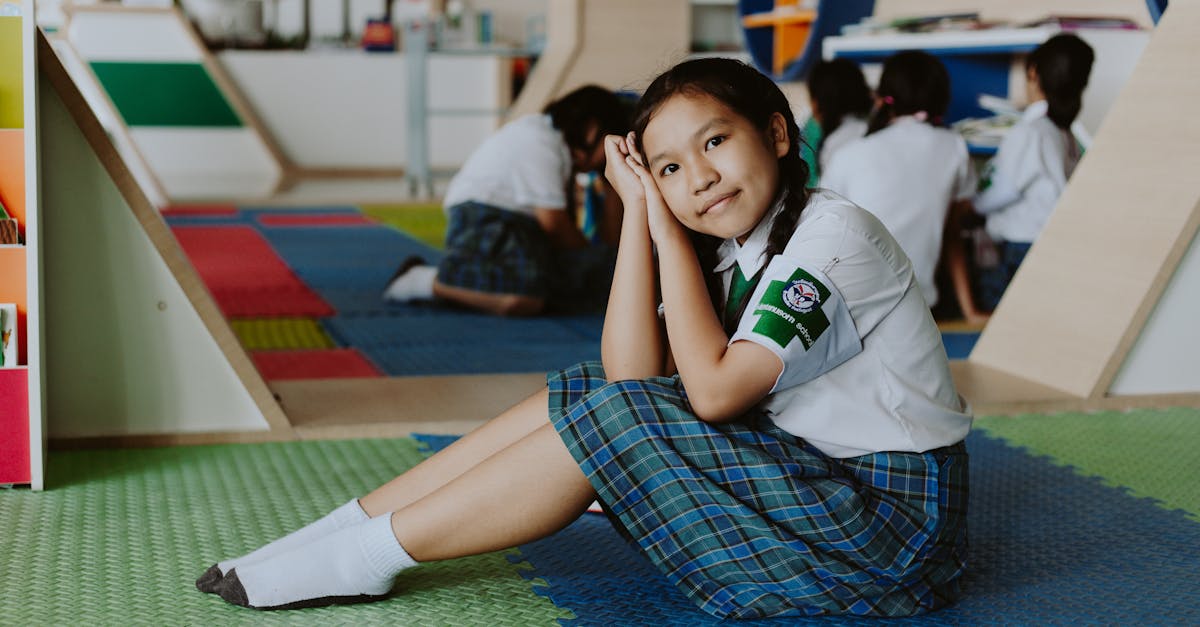
The kid sitting two rows behind you in a Quezon City public high school answers roll call in clean English, freezes when the teacher switches to Filipino, and pulls out a Japanese keyboard on his phone when he thinks no one is watching. He was born in Nagoya. His mother has been a factory worker or care aide there for most of his life. He is 16, and the country he grew up in has decided he is no longer its problem.
This is a quiet pipeline nobody set up on purpose. Filipina workers in Japan, many on long-term visas tied to factory and elder-care work, raised children who grew up in Aichi, Gifu, Shizuoka. Those kids attended Japanese schools, ate konbini lunches, watched Japanese television. Tagalog was what their mothers spoke on Sunday video calls to Bicol or Pangasinan, not what they used at the dinner table.
The residency runs out before the identity does
Japanese residency for children of foreign workers is not a guarantee. When mothers shift visa categories, lose employment, or send their kids back ahead of their own return, the children land in the Philippines on Filipino passports they have barely used. Some come for senior high. Some come because the household in Japan stopped being affordable. Some come because a lola in Tarlac said it was time.
They arrive into a school system that assumes Filipino fluency as the floor, not a skill to be taught. DepEd has no real reentry track for Filipino children raised abroad in non-English-speaking countries. The Balik-Aral program on paper does not translate into a classroom that knows what to do with a 15-year-old who reads kanji faster than he reads Filipino.
What gets lost in the gap
Recess is where it shows. The Japanese-raised kid catches maybe 40 percent of the jokes. Group chats move in Taglish that does not map to anything Duolingo prepared him for. Teachers mark him down in Filipino subject grades that drag his average below scholarship cutoffs. He passes English. He fails Araling Panlipunan because the textbook assumes he knows who Andres Bonifacio is without footnotes.
His mother in Nagoya wires money for tutoring. The tutor is another returnee, two years ahead of him, who learned to fake it. They study together in a McDonald's in Cubao on weekends.
The paperwork question nobody answers
Dual citizenship is technically available under RA 9225, but the kids born to Filipino mothers and Japanese fathers, or to Filipino mothers and absent Japanese partners, sit in a legal fog. Japanese law on nationality for children of unmarried foreign mothers is its own maze. Advocacy groups for Japanese-Filipino children have been raising this for years. The embassies process cases one at a time.
Meanwhile the kid in the back row is learning Tagalog from teleseryes his lola plays at full volume. He will pass. He will graduate. He will write his college application essay in English because that is the language he trusts. The household budget still depends on his mother in Aichi sending yen every 15th and 30th, into a GCash account he manages because she does not trust the banks. He is the family's translator now, in a country he is supposed to be from.


