212 Votes for Posted Flood Audits, and No Published Rule for What a Flag Triggers
The House passed a Metro Manila flood control master plan with mandatory audits and public budgets. What happens when an audit flags a padded line is unwritten.


The House approved HB 11602 on third and final reading on Tuesday, November 24, 2026, by a vote of 212 in favor, with none against and none abstaining, according to Politiko. The proposed Metro Manila Flood Control and Drainage System Management Act would build a unified master plan, mandate yearly technical audits, and force the public release of project plans, progress reports, budget allocations, and implementation details, Manila Bulletin reported.
That is a lot of paper going online. What no published account of the bill answers is what happens when one of those posted documents flags a padded line, or who decides whether it gets reopened.
What the audit can see
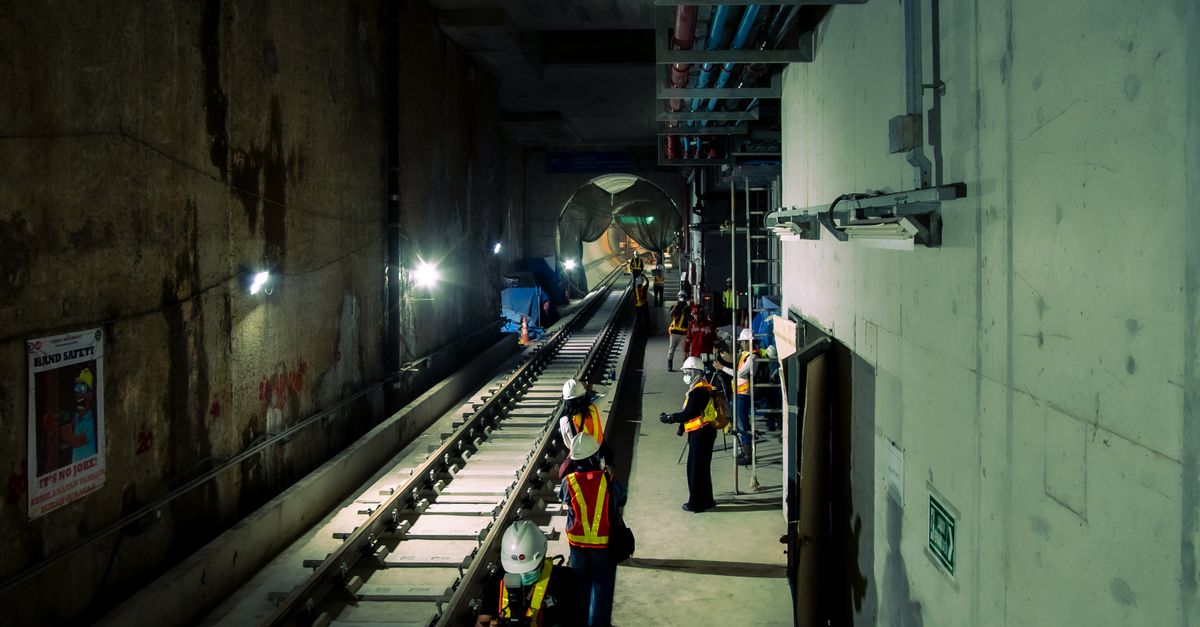
Picture the person who would sign off, once this becomes law. A young LGU engineer, a few years out of school, assigned to review flood works in one of Metro Manila's 17 local governments. The bill gives the MMDA the lead, with DPWH and DEPDev as implementing agencies, per the Tribune, and all 17 LGUs get 60 days after the law takes effect to draft the joint plan.
Her job would be to compare the posted progress report against what is actually built in the drainage canal down the road. When the numbers do not match, she writes it down. The only oversight body described in coverage is an eight-member Joint Congressional Oversight Committee, which checks compliance with the master plan and whether funds are fully used, and files an annual progress report to Congress, the Tribune noted. No published account describes what enforcement, referral, or penalty follows a flagged finding, or which office handles it.
Paid in full, half-built
This matters because of what DPWH already knows about its own money. At a Senate briefing in October, Secretary Vince Dizon said contractors in the past were often paid in full before projects were finished, according to the Manila Times. That was a general statement about past practice, not a charge against a specific job.
It has company in the record. In October 2025, DPWH filed malversation and graft complaints before the Ombudsman against 21 DPWH officials and two contractors over La Union and Davao Occidental flood projects worth about P276 million, which were fully paid but unfinished or never built, SunStar reported. A disclosure rule like the one in HB 11602 would publish the claims, the budgets, and the progress reports. Whether that catches a padded line before the payment clears depends on a referral path that the bill, as reported, has not spelled out.
The money is not settled either
The audit regime is not operating law. HB 11602 has passed only the House on third reading, and there is no reported Senate action. The flood funding is in the same limbo. DPWH proposed P643.95 billion for 2027, with P107.4 billion for flood control, per the Daily Tribune, but the Senate is still deliberating the P7.2 trillion budget and the final flood figure is undetermined.
Senate Finance chair JV Ejercito has said the committee will not fund new flood control projects in 2027, prioritizing unfinished ones. The 2026 budget gave flood control nothing at all.
Here is the bargain the vote asks you to accept. If the bill becomes law, the plans go public and the audits happen every year, and nobody has written down what a flagged finding costs or who acts on it. Until a padded report costs someone a payment instead of a footnote, the disclosure is a receipt for work that may never reach the canal.