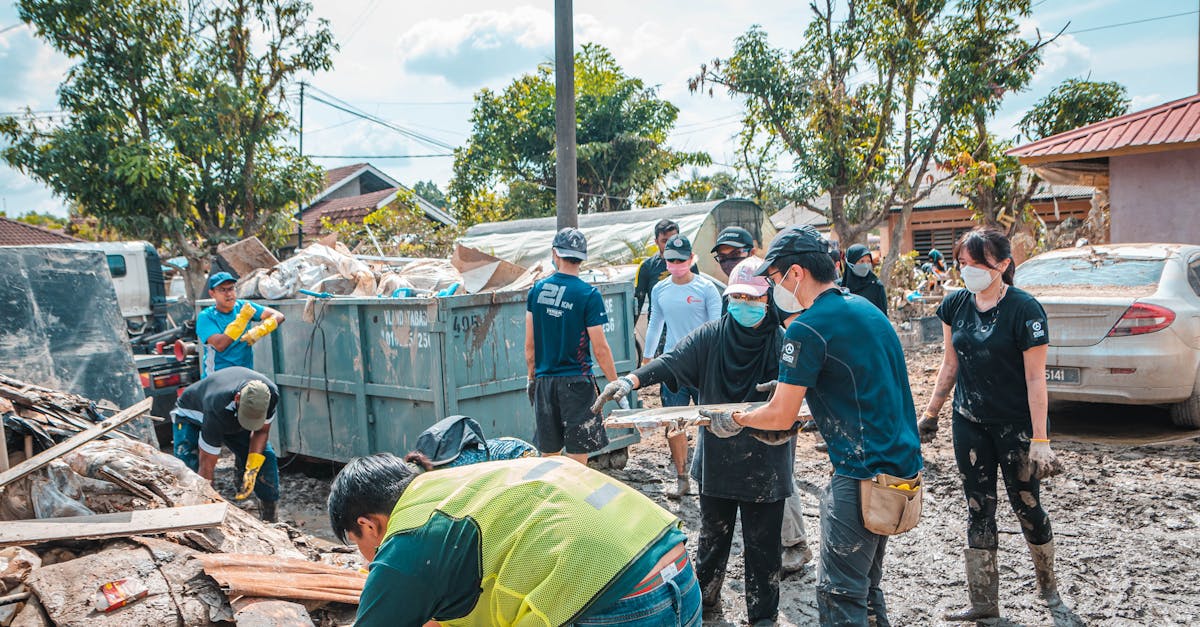
10,000 Displaced and Counting: Who Picked Up the Phone When Manila Called
Foreign governments and UN agencies pledged support after the latest disaster. The list of who moved first, and who stayed quiet, says a lot.


Past 10,000 families are now in evacuation centers after the latest round of disasters battered the Philippines, and the foreign aid board is filling in the way it always does: neighbors first, big donors later, with caveats.
Manila put out the call through the DFA and the Office of Civil Defense. Within 72 hours, replies came in from Tokyo, Canberra, Jakarta, and Seoul. The pattern repeats every typhoon season and every quake. Some governments wire cash. Some send teams. Some post a press release and hope nobody checks back.
The neighbors who showed up
Japan moved first, as it usually does. JICA has standing protocols with the OCD and can deploy assessment teams without waiting for a fresh memorandum. Australia followed with logistics support routed through DFAT, the same channel that handled Yolanda and the Marawi siege response.
Indonesia and Malaysia sent smaller pledges but moved through ASEAN's AHA Centre in Jakarta, which has a coordination role the bloc keeps trying to expand. Singapore offered technical assistance. South Korea added cash through KOICA.
None of this is charity in the clean sense. These are countries that sit on the same fault lines, the same typhoon corridors, the same warming sea. The aid is partly insurance, partly the muscle memory of governments that have buried their own.
The UN line items
UN OCHA activated its standard appeal mechanism. UNICEF flagged child protection needs in the evacuation centers. WFP positioned food stocks. UNFPA pushed reproductive health kits, which is the line item that always gets quietly cut when local officials review the manifest.
The IOM is tracking displacement numbers. Those numbers matter because they determine how much of the appeal gets funded. The 10,000-family figure is already being revised upward as barangay captains in the harder-hit areas finish their counts.
The donors who went quiet
The United States sent a statement of condolence and a smaller pledge than past disasters of similar scale. USAID's footprint in the Philippines has shrunk over the last 18 months, and embassy staff have been more careful with what they commit to without Washington signoff.
The European Union routed support through ECHO, its humanitarian arm, but the headline figure is modest. China's response came through the embassy and stayed at the diplomatic-statement level, with a smaller in-kind shipment announced separately.
What the money actually does
Pledges are not deliveries. The DSWD bulletin lists commitments in dollars and euros. The families in the gym in Cebu, in the covered court in Surigao, in the school turned shelter in Davao del Sur, are waiting for tarps, water filters, hygiene kits, and rice.
The gap between the pledge press conference and the supply truck is where local officials live. Barangay captains sign for what arrives. Evacuees sign the master list. The audit comes later, if it comes at all.
Ten thousand families means roughly 50,000 people sleeping on cots and concrete floors tonight. The foreign aid figures will keep climbing this week. The tarps still need to land before the next low-pressure area forms over the Pacific.