

Xi Presses Trump to Toughen US Line on Taiwan, and Taipei Pushes Back
Taiwan accused Beijing of distorting facts after Xi urged Trump to oppose the island's independence, a wording shift that could erode US strategic ambiguity.

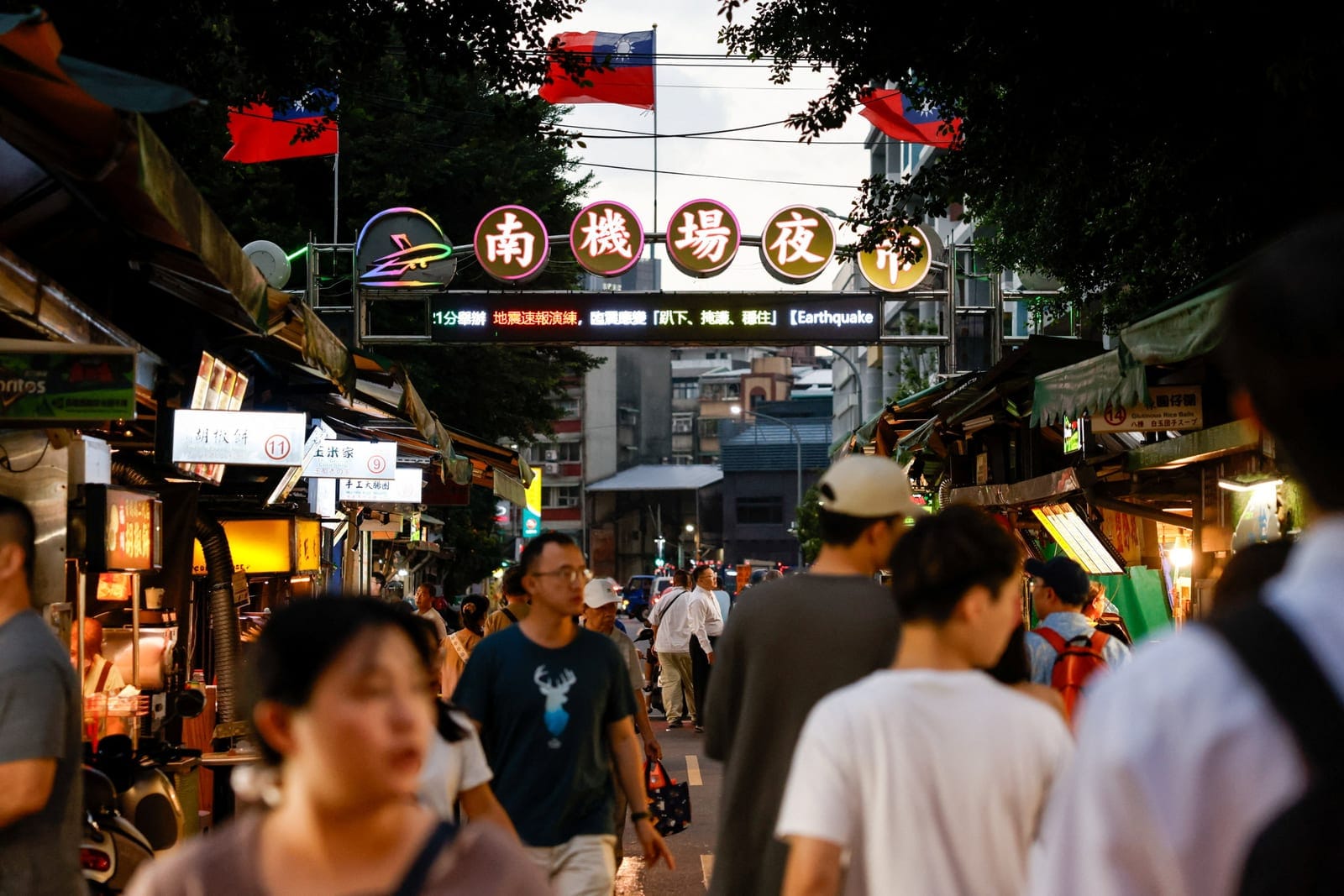
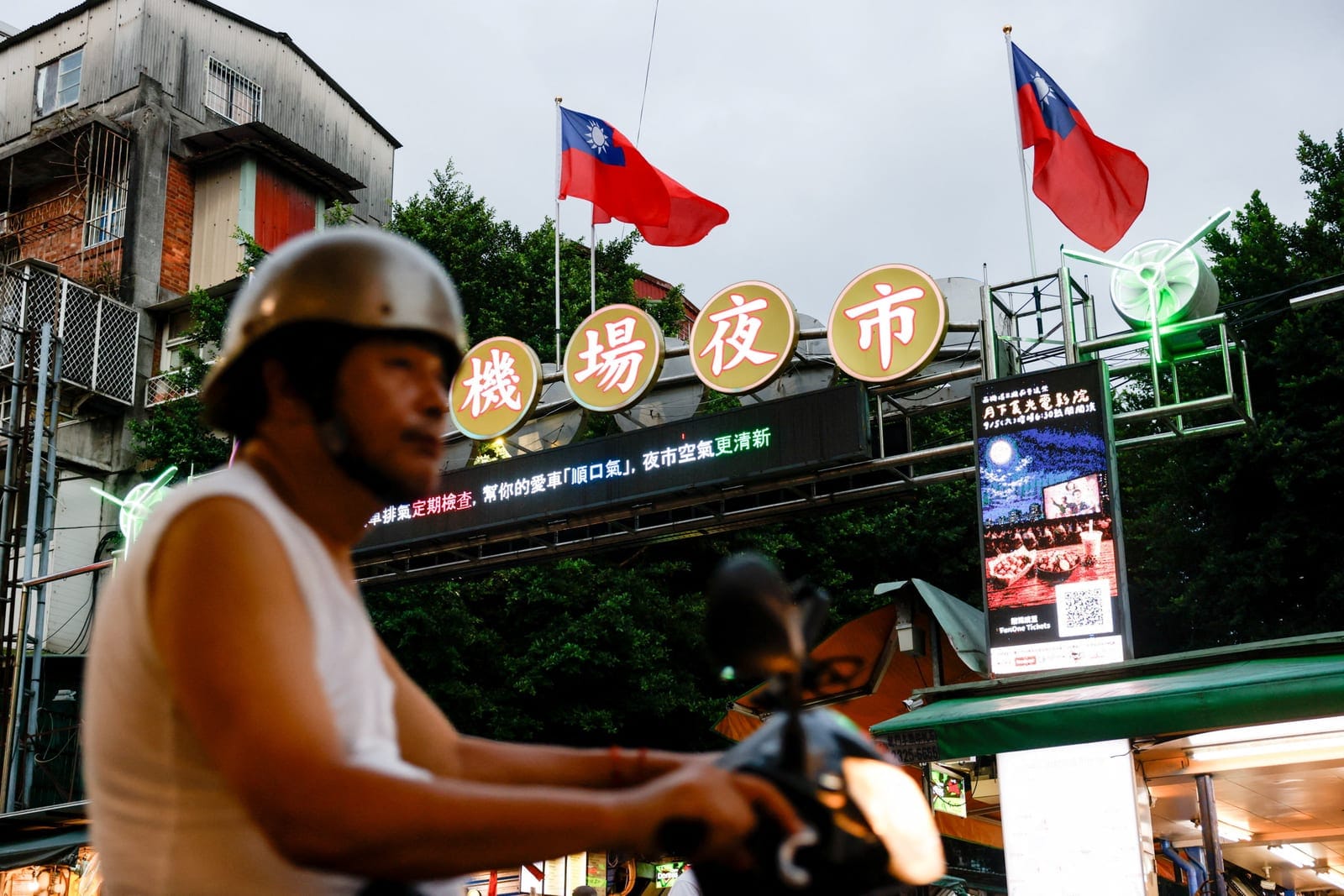
TAIPEI, Sept 25 (Reuters) - Taiwan denounced Xi Jinping's comments to Donald Trump on the island's future on Friday after the Chinese leader appeared to push the US President for a subtle change in stance that could erode US support for the democratically governed island.
Xi told Trump in Washington on Thursday that he hoped the US would adhere to the "correct position" of opposing Taiwan independence, according to a Chinese readout of the talks.
That would be a tougher version of Washington's long-standing formulation that it does not "support" independence. There was no immediate White House readout of the exchange.
China claims Taiwan as its own territory, a position the island's government rejects.
Xi's remarks represent "the consistent Chinese approach of distorting facts and unilaterally conveying its position and claims", Taiwan's foreign ministry said in a statement.
"Taiwan's sovereignty belongs to all the people of Taiwan. The Chinese Communist Party has no right to represent the Taiwanese people, and Taiwan's future can only be determined by the Taiwanese people through democratic means," it added.
The US is Taiwan's most important international backer and arms supplier despite the lack of formal diplomatic ties.
NUANCED WORDING
While there are no immediate signs that the Trump administration plans to acquiesce to Xi's request, the repercussions of that nuanced word change would be far reaching.
China may use the threat of Taiwanese independence or agitation for independence as a pretext for conflict, and remind the US that it has staked its opposition to those actions, said Jeremy Chan, senior analyst on China for the US-based political risk consultancy Eurasia Group.
"It would erode a lot of the...strategic ambiguity of whether the US would come to Taiwan's aid in that context," said Chan, a former US diplomat stationed in China.
President Lai Ching-te says Taiwan is already an independent country called the Republic of China, its formal name.
The Republic of China government fled to Taiwan in 1949 after losing a civil war to Mao Zedong's communists, who founded the People's Republic of China.
TRADING TAIWAN
US allies like Japan have long worried that Trump may be willing to soften support for Taiwan in exchange for economic or other geopolitical wins with China.
After meeting Xi in Beijing in May, Trump said that he was holding a package of arms sales to Taiwan in abeyance, describing it as a "negotiating chip".
The US is seeking to secure Chinese purchases of Boeing planes and farm goods, and Washington also views China as uniquely able to exert pressure on Iran to bring an end to the war that has dragged Trump's approval rating to a record low.
Trump does not wish to see Taipei become an obstacle to achieving a broader and more comprehensive agreement with Beijing, said James Chen, assistant professor of diplomacy and international relations at Taiwan's Tamkang University.
That said, "Trump has not yet shown any intention to trade Taiwan for a major strategic gain," he added.
In their statement rebuking Xi's comments, Taiwan's foreign ministry said China was the "true disruptor" of regional peace and stability, pointing to its military activities around the island and in the East and South China Seas.
Taiwan will continue to work closely with the United States and other like-minded partners to jointly safeguard peace and stability in the Taiwan Strait, it added.
(Reporting by Ben Blanchard in Taipei and John Geddie in Tokyo; Editing by Jacqueline Wong and Michael Perry)


