Why Filipino Gen Z Boys Still Won't Cry in Front of Their Fathers—but They'll Post About Mental Health on Twitter
Online vulnerability is easier than living room honesty. The gap between what gets tweeted and what gets said at home is where most Filipino sons still live.


By Grace Flores
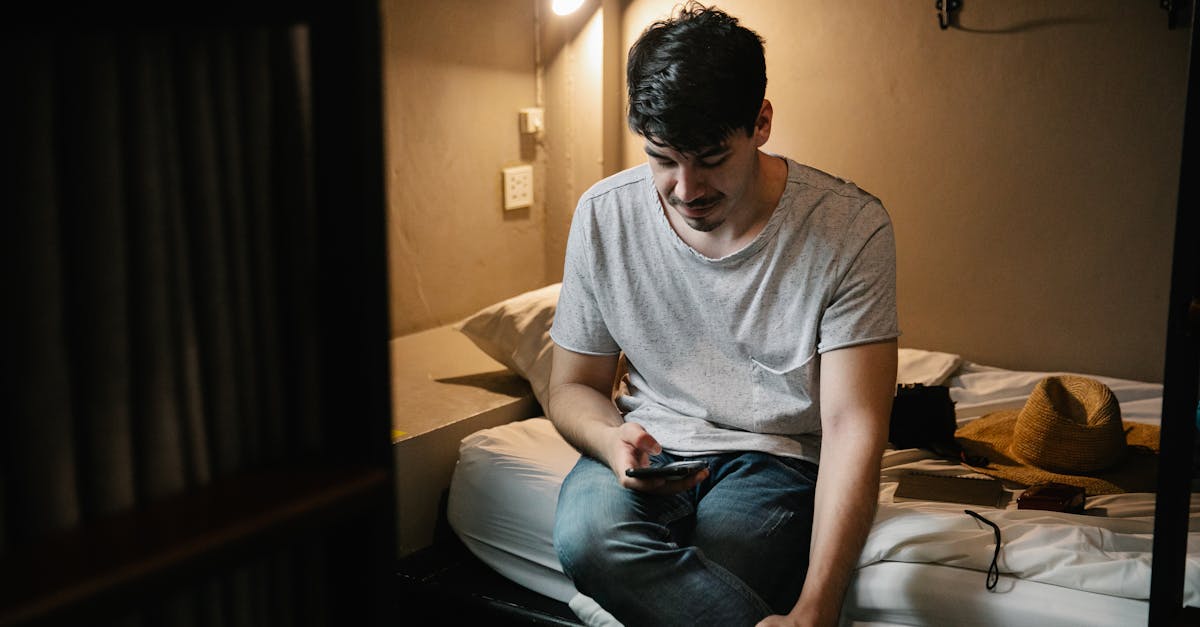
Filipino boys are posting mental health threads on Twitter at 2AM. They're retweeting suicide prevention hotlines. They're liking posts about therapy being valid. Then they go home, sit across from their fathers at dinner, and say nothing when asked if they're okay.
The performance is fluent. The language is borrowed from American wellness accounts and Filipino mental health advocates who've built entire followings on destigmatization. But the script stops at the front door. Because crying in front of your father still feels like failure, even if you just tweeted that men should be allowed to feel.
It's not hypocrisy. It's survival in two incompatible worlds. Online, vulnerability is currency. Offline, it's still read as weakness by the man who paid for your tuition and never once told you he was tired. The father who worked overseas for years and came home quiet. The one who didn't cry at his own father's funeral because that's what men in his generation learned to do.
So sons learn to code-switch. They talk about burnout with college friends. They vent in group chats. They share mental health infographics on Instagram Stories. But when their fathers ask why they're so quiet lately, they say it's school stress or lack of sleep. Anything but the actual feeling.
The gap isn't about awareness. Most Filipino fathers now know therapy exists. Some even say it's good, in theory, for other people. But the house still runs on older rules. Emotional labor still belongs to mothers and sisters. Fathers are still expected to solve problems, not listen to them. And sons still calculate the cost of honesty every time they think about saying something real.
What gets lost in that calculation is years. Years of sitting in the same room, both people waiting for the other to speak first. The son waiting for permission to be fragile. The father waiting for a question he knows how to answer. Neither one taught how to close the distance.
Meanwhile, the Twitter thread gets 5,000 likes. Someone quote-tweets it with "felt." A mental health org reshares it. And tomorrow, at breakfast, the son will say he's fine when his father asks again. Because posting about feelings is easy. Living them in front of the people who raised you is still the hardest thing most Filipino boys will ever try to do.