Who Reads the Loan Annex Before the Backhoe Rolls In?
A taxpayer trying to verify what a China-funded dam, pump, or surveillance camera actually costs runs into the same wall lawmakers and auditors have hit since 2018.

Try this on a Sunday afternoon: pull up the loan agreement for the Chico River Pump Irrigation Project on your phone and find the interest rate, the arbitration venue, and the collateral clause. You will get a Senate transcript, a 2019 op-ed, a Reddit thread, and a press release. The actual signed document, in full, with annexes, is not where a 24-year-old paying VAT on a milk tea expects public contracts to live.
That is the wall. Not a conspiracy, not a leaked PDF, just the ordinary experience of trying to verify what a megaproject is doing to your tax bill and your watershed. The receipts culture that powers Filipino group chats, screenshots of menus, pay slips, GCash transfers, runs into a stone wall the second the contract is sovereign and the lender is foreign.
What the public record will actually let you say
Three China-funded projects sit at the center of the opacity argument, and the record on each is more specific than the takes suggest. The Chico River Pump Irrigation Project, signed under a China Eximbank loan, drew Senate scrutiny in 2018 and 2019 over a confidentiality clause, an arbitration venue outside the Philippines, and a waiver-of-immunity provision that lawmakers and former officials publicly criticized. The Department of Finance under the prior administration defended the terms as standard for Chinese concessional lending. Both readings are on the record. Neither has been resolved by an independent court.
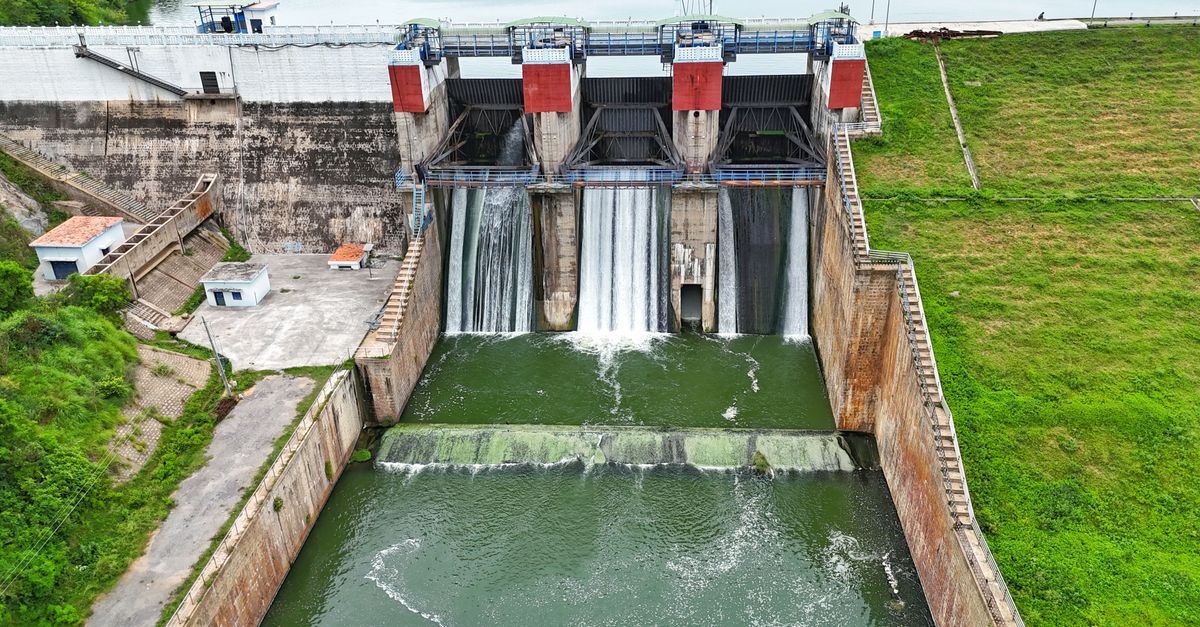
Kaliwa Dam, awarded to China Energy Engineering Corporation (CEEC) through MWSS, sits on a different ledger of disputes: indigenous Dumagat-Remontado opposition, an Environmental Compliance Certificate granted under contested Free, Prior and Informed Consent conditions, and seismic concerns raised by independent geologists about the Sierra Madre fault system. Variation orders and cost adjustments have surfaced in oversight hearings. The dam is permitted. A permit signed in Manila is not the same as a clean environmental, financial, or human-rights audit, and pretending otherwise is how projects of this size keep moving while the questions pile up.
Then there is the "Safe Philippines" surveillance package, the China International Telecommunication Construction Corporation, Huawei-equipped CCTV rollout that was greenlit under a separate concessional loan, drew sustained data-security and national-security objections from 2019 onward, and was formally terminated in 2022 when the government cancelled the China Eximbank loan to stop further losses. A signed, China-funded surveillance deal still did not get built.
The local machinery, named plainly
The opacity is not imported wholesale from Beijing. The Belt and Road playbook travels with a particular speed bias, a particular tolerance for confidentiality, and a particular comfort with negotiated rather than competitive procurement, and Filipino agencies signed on to all of it without being forced. The Department of Finance accepted the confidentiality clauses. NEDA cleared the projects. Congress ratified the budget lines. NCIP issued FPIC certifications that affected communities later contested. The Commission on Audit, to its credit, has flagged ODA-funded projects in its annual reports for documentation gaps, delayed liquidations, and counterpart-fund shortfalls, the boring paperwork failures that decide whether a dam ever serves the village downstream.
So when a thread on X says "China owns our dam," it is collapsing a real problem into a useless slogan, because the people who decided you would not get to read the contract were sitting in Manila offices with Filipino payroll. And when a press release says concerns are "politicized," it is asking you to forget that the Senate hearings, the COA observations, and the Dumagat petitions are part of the same public record the government itself produced.
What the surveillance worry is really about
Data-security fear is not paranoia from people who grew up watching their KYC selfies end up in Telegram channels. The Safe Philippines worry was specific: who holds the video feeds, where the servers sit, what jurisdiction the maintenance contractor answers to, and whether the National Privacy Commission can compel an audit of a foreign vendor under a sovereign loan. Those questions never got a clean public answer, and the deal was terminated in 2022 without them ever being resolved.
Telecom and critical-infrastructure debates run on the same logic. The risk is not a cartoon backdoor. The risk is that procurement rules, confidentiality clauses, and vendor-lock arrangements remove the ordinary Filipino, the journalist, the LGU lawyer, the privacy commissioner, from the room where the controls are written.
What a young taxpayer can actually verify
Start with what is published. COA annual audit reports name agencies, projects, and observations, and they are downloadable. Senate and House committee transcripts on ODA loans are public. NEDA Board approvals and ICC documents are public. DENR Environmental Compliance Certificates are searchable. NCIP FPIC documentation is, in principle, accessible through Freedom of Information requests, even if the response time tests your patience. None of these will give you the full loan annex. All of them, read together, will tell you whether a project's paperwork holds.
The harder, slower work is pushing the agencies that signed the deals to publish them. Civil-society groups have been filing FOI requests on ODA loan terms since 2018, and lawmakers have repeatedly proposed mandatory disclosure of sovereign loan agreements above a certain threshold. Those proposals keep dying in committee, which is itself a piece of information about who benefits from the current arrangement.
The bargain on the table
The deal a Filipino taxpayer is being offered, across administrations, is this: trust that the people who signed the loan read the loan, trust that the agency that issued the permit checked the fault line, trust that the vendor that installed the cameras will not keep a copy of the feed. Trust without receipts. Confidentiality clauses you cannot read. Arbitration venues you cannot reach. Counterpart funds that show up late in the GAA after the contractor has already mobilized.
The Chico pumps are running. The Kaliwa diversion tunnel is being bored. The surveillance deal was scrapped. The loan repayments are scheduled through the 2030s and will be paid out of the same revenue line that funds your barangay health center. The fine print is in a drawer in Manila and a server in Beijing, and the bill is in your VAT.