
When Hinga Heat Hits, the Class Scatters Into Printed Modules
Lapu-Lapu school heads can now suspend face-to-face classes on their own as El Niño pushes campuses past safe temperatures. The days don't come back the same for everyone.

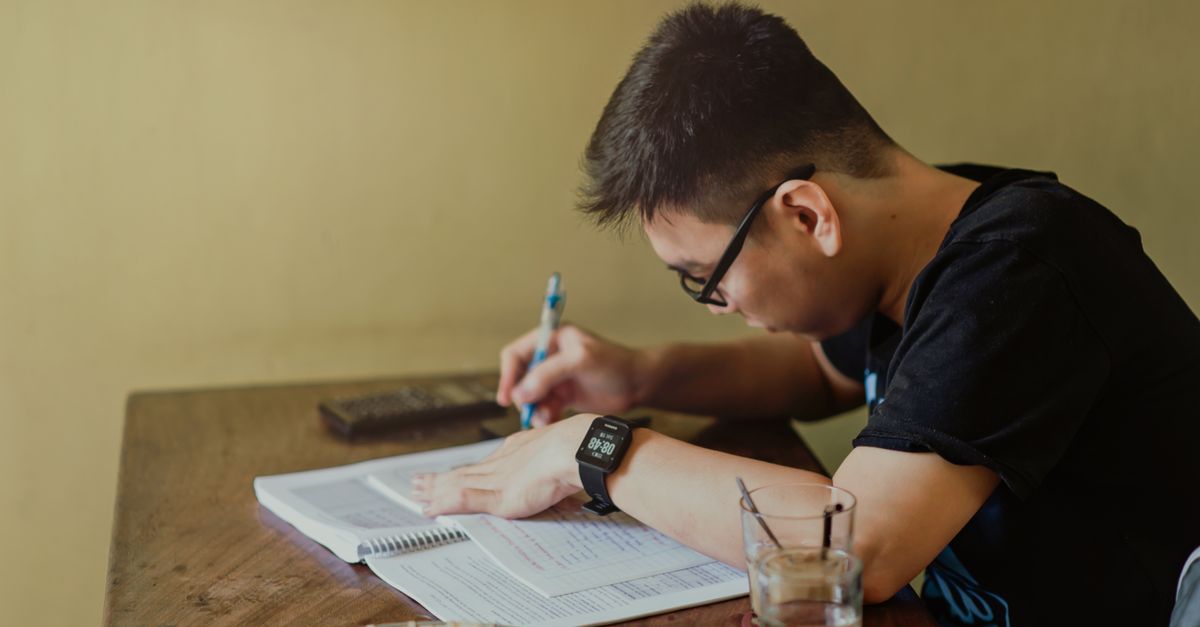
Picture a Cebu classroom when the thermometer climbs into the Hinga band. The students get sent home with folders of photocopied lessons and wait for the heat to drop. Some of them keep learning through the week. Some of them don't come back to where they left off.
That scene isn't on record yet. Under a Lapu-Lapu City division memo reported by SunStar on November 19, school heads can suspend in-person classes without waiting for division approval when campus heat threatens students or staff. The rules are newly issued, and coverage from Philstar and Manila Times through mid-November described the city's suspension guidelines as still being worked out, so no school has published that it moved to home learning under the memo.
The temperature tiers come from DepEd Order 014, series of 2026. Hayo sits below 27°C, Hinay runs 27 to 32°C, Hinga covers 33 to 41°C, and Hinto starts at 42°C. At Hinga, students study at home with printed materials or lessons broadcast on TV and radio. Mactan National High School already shortened its hours from November 19, splitting the day into early morning and late afternoon sessions to dodge the worst of the heat.
Twenty days gone, and counting
The suspensions add up fast. An EDCOM II policy note from September 2026, reported by the Tribune and Manila Bulletin, found a typical public elementary school lost around 20 teaching days in SY 2025-2026 to hazard suspensions, roughly one in every 10 school days. Senate President Sherwin Gatchalian, citing the note on November 1 in coverage the Inquirer and other outlets carried, urged DepEd to use localized rather than blanket class suspensions during the El Niño threat.
The same note linked each suspended school day to about 1.4 days of lost reading progress. That figure comes from preliminary research and shows an association, not proven causation. EDCOM II said it is not a reason to run classes in real danger. The baseline is already grim. An EDCOM II study found that at the start of SY 2026-2027, about 86 percent of public school Grades 1 to 3 students could not read at grade level.
Who keeps the day
Here is where the module tells two stories. A student with a parent home by mid-afternoon, a quiet corner, and a working phone opens the worksheet and finishes it. A student whose folder sits untouched because the house is loud, the lola is working, and the printed pages ran short loses the day outright. The suspension is the same. The outcome is not.
The heat doesn't check who has a tutor. It doesn't ask whether the TV broadcast reaches the barangay or whether the radio lesson lands during a shift nobody is home for. The division sends everyone home equally. The recovery sorts them by who had help waiting.
On November 20, seven Lapu-Lapu barangays shifted to asynchronous learning anyway, this time for the Nuestra Señora de Regla fiesta under a separate executive order, not heat. Different reason, same folder of printed lessons, same split between the kids who work through it and the kids who don't.
The city can suspend classes faster now. What no memo covers is the student who closes the folder, waits out the week, and sits down behind the ones who kept reading. The days collapse the same way. They just don't come back to the same desks.


