Vietnam's VinEnergo Pitches 5 GW of Steady Power to Philippine Distributors at 17 US Cents a Unit
A groundbreaking in Sagay opens a foreign-backed pipeline pairing solar with batteries. Whether it answers the grid's dispatch problem, and who controls baseload, stays open.

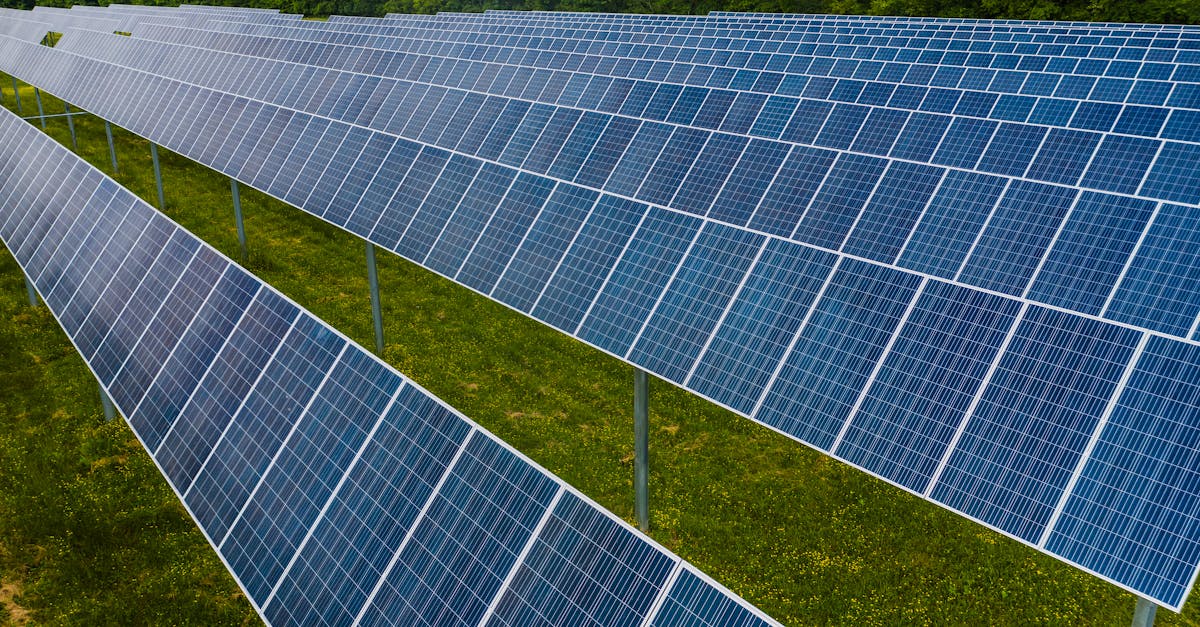
VinEnergo broke ground on a 126 MWp solar plant in Sagay City, Negros Occidental on November 27, partnering with Philippine firm SunAsia Energy, according to Power Philippines. It is the first project under the Vietnamese company's cooperation framework with the Department of Energy, and one piece of a far bigger pitch.
That pitch is the headline. Enerdata reported in June 2026 that VinEnergo plans to sell 5 GW of renewable base power to Meralco and other distributors at a target of roughly 17 US cents per kilowatt-hour. If those numbers hold, it would reshape who sells always-on electricity into the national grid.
Why the battery claim matters
Solar's oldest problem is that it stops at sundown. The grid runs on dispatchable power, generation that answers when demand spikes at 7 p.m., and that is why coal and gas keep their grip even as cheaper panels flood the market.
Batteries are the fix everyone promises. Pair enough storage with enough panels and you can shape solar into something that behaves like baseload, delivering a flat, reliable block of power instead of a midday surge that collapses by evening.
The Sagay groundbreaking does not prove that yet. None of the reporting confirms battery storage at the Sagay plant itself; the storage lives in the wider framework, in slides and memorandums, not in the 126 MWp going up on pile-supported structures above water, where VinEnergo and SunAsia say aquaculture can continue underneath the panels.
Read the two different 5 GWs
The figures deserve a careful look. VinEnergo describes up to 5 GWp of peak capacity, and separately a baseload-equivalent of up to 5 GW, and those are not the same thing.
The June 23, 2026 memorandum among Meralco, Meralco PowerGen, and VinEnergo spelled out the gap: delivering up to 5 GW of baseload-equivalent power could involve about 25 GW of integrated renewables and storage. That is a mountain of panels, land, and batteries to turn an intermittent resource into something a distributor can count on at dinnertime.
Worth noting too: the Manila Times item carrying the 5 GWp pipeline figure is a company press release distributed through a newswire, not independent reporting. And the 17-cent target price comes from Enerdata's reporting on VinEnergo's plans, not from the June MOU, whose public announcement described studying solutions rather than a price.
Who ends up holding the baseload
Here is the part that outlasts any ribbon-cutting. If a foreign-backed developer supplies 5 GW of steady power to Meralco and other Philippine distributors, it becomes a structural supplier to the national grid, the kind of position coal plants have held for decades.
The build-out is concrete: Enerdata reports VinEnergo and SunAsia will spend 18 months on design, sourcing nearly 700,000 panels and laying about 62 kilometers of new transmission across Negros and Pampanga. The 422 MWp first portfolio runs across Macabebe in Pampanga at 181 MWp, Sagay at 126 MWp, and Silay at 115 MWp, with Sagay and Silay both in Negros Occidental.
For now the memorandum only covers exploring solutions, not a signed supply deal. VinEnergo says that from 2027 to 2029 it will prepare investments and move eligible projects toward construction under its planned portfolio of up to 5 GWp. The target price landing on an actual electric bill depends on contracts that have not been written yet.