
The Tournament Bracket Came Down. The Sabong Livestream Took the Middle Row.
Quezon City gaming cafes are renting seats for online sabong and crypto streams, turning esports rooms into betting floors a 15-year-old can walk into.

The Mobile Legends bracket used to be taped to the wall by the counter. Now the same wall carries a rate card: hourly PC, hourly booth, and a line for what the staff call "livestream seats."
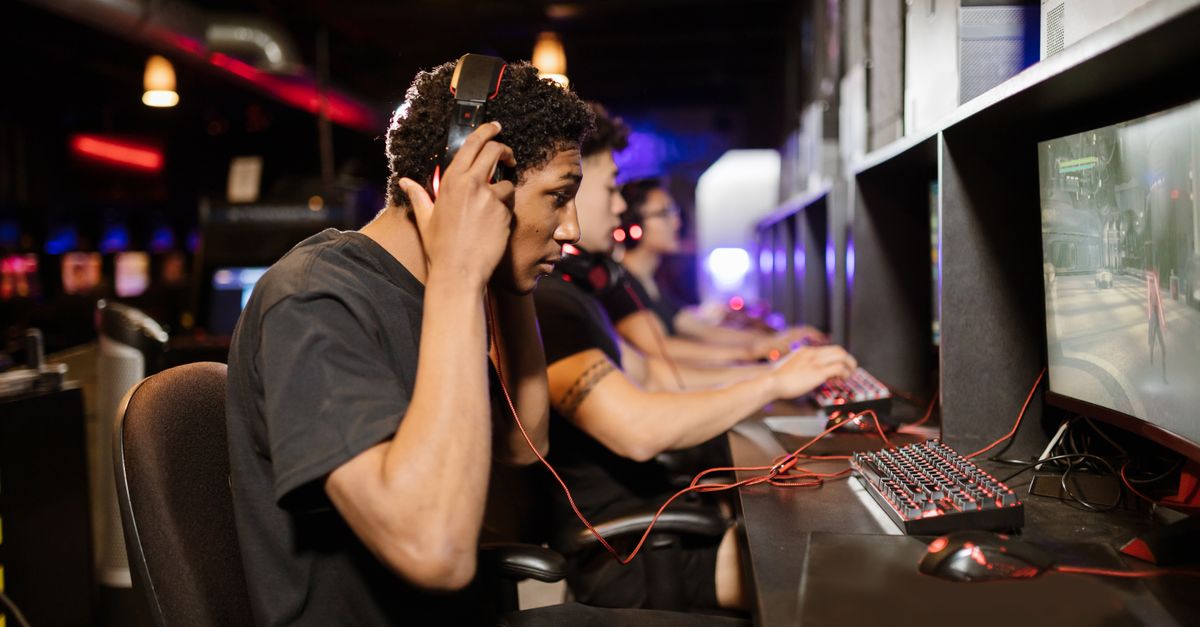
Walk into a mid-sized cafe off Commonwealth or near a QC university belt and the shift is on the monitors. Fewer five-man scrims. More single players parked in a corner, one tab on an online sabong feed, another on a crypto chart that never stops moving. The cafe rents the seat, the bandwidth, and the quiet. What happens on the screen is somebody else's problem, officially.
The math moved the machines
Tournaments were never the money. Registration fees barely covered prizes, and the crowd bought one bottle of soda and nursed it for three hours. A gambler on a hot streak buys energy drinks, tips for a private booth, and stays until the room closes.
So the incentive is obvious. A regular ML squad pays for six hours and leaves. A sabong bettor pays for the seat and keeps paying because the next fight is always two minutes out. The cafe owner did the arithmetic the way any small business does when rent is due.
Online sabong sat in a legal gray zone even before the national suspensions, and the operators simply moved the action to feeds you can pull up on any browser. The cafe doesn't run the book. It rents the chair in front of it. That distinction is the whole business model, and it's thin.
No one checks the age at the door
The part that should stop you: nobody is IDing anyone. These rooms never carded, because ML doesn't need a legal age. A 15-year-old in a school uniform can pay for an hour, sit next to a man betting his week's pay on a rooster, and open the same feed on his own machine.
The cafe isn't a casino under any permit it holds. It's registered as an internet or gaming cafe with the LGU, which means no gaming regulator is watching the floor and no one is required to keep minors away from a betting screen. The barangay permit says one thing. The monitors say another.
Parents dropping kids for "computer time" have no way to know the room changed function. The signage still says esports. The bracket is gone from the wall, but the word stayed on the tarpaulin out front.
The kids who trained here have nowhere to grind
The teenagers who actually wanted to go pro lose the room too. Competitive ML in the Philippines was built in cafes like these, five friends splitting a booth, running drills against the next barkada. Those hours are getting priced out by a bettor who pays more and stays longer.
Enforcement, when it comes, will land on the cafe permit, not on the operator streaming from somewhere the raid can't reach. The owner takes the fine. The feed reopens under a new URL by the weekend.
The tarpaulin outside still promises tournaments. Inside, the rate card lists a livestream seat by the hour, and the counter takes cash from whoever sits in it, uniform or not.


