
The Resettlement Deed Clears on High Ground. The Jeep to Any Job Leaves Before Dawn and Costs Most of a Day's Pay.
Families from Bulacan and Pampanga flood zones got a roof far from everything. The farm sits underwater, the cash-for-work ran out, and the nearest hiring is two rides away.

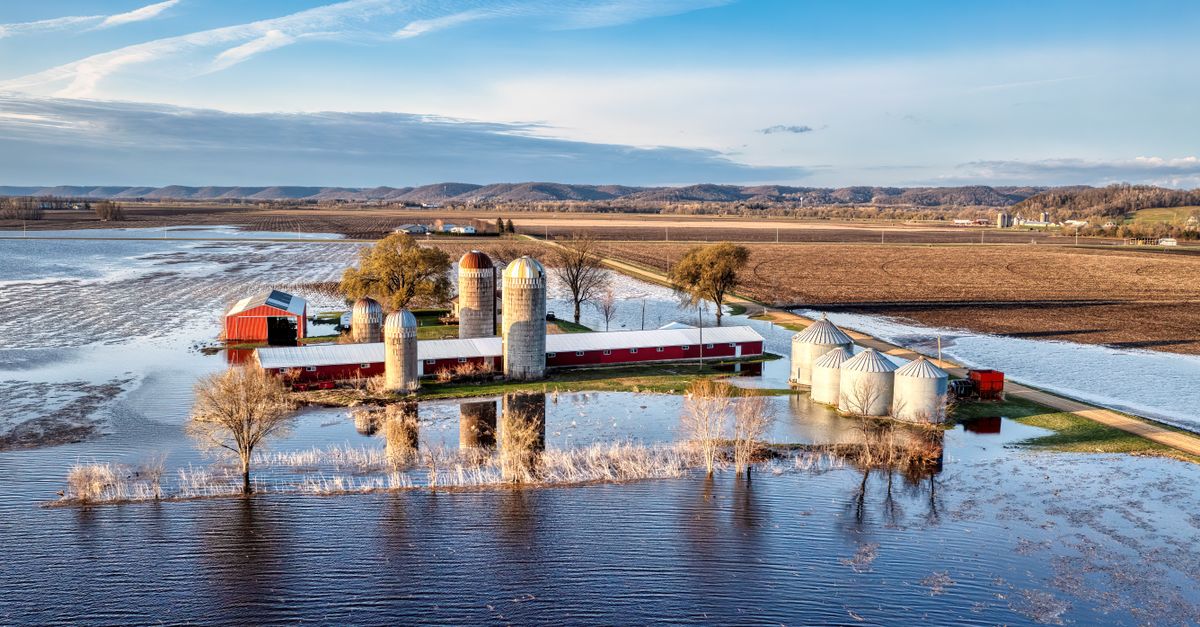
A family gets a unit at a resettlement site on higher ground. On paper, that reads like rescue. The flood that took their barangay in the lahar-silted stretches of Pampanga and the perennial overflow zones of Bulacan isn't coming back out of their fields.
The water stays. The farm they rented or tilled for a landlord is now a shallow lake that doesn't drain between typhoons. So the deed moves them to a grid of identical concrete rows with no palay, no river, no market within walking distance.
The jeep leaves before the work does
Resettlement planners count a house as the solution. The house doesn't pay for the first trike ride to the highway, the jeep after that, and the second jeep to wherever factories or farms are actually hiring.
Round-trip transport from a far-flung relocation site eats a large share of a daily wage before anyone clocks in. For a laborer earning near minimum, that math says staying home is cheaper than looking for work. So they stay home, in a house with nothing around it.
The sites went up where land was available and cheap, which usually means far from where jobs sit. The people who approved the location didn't have to make the commute.
Cash-for-work has an expiry date the flood ignores
DSWD cash-for-work bridges the first weeks. Crews clear debris, dig canals, patch the new community for a set number of days at a set daily rate. Then the program closes on schedule.
The schedule and the planting calendar don't line up. The payout ends well before the next cropping season would have brought field work, and the field is underwater anyway. A displaced farmer can't wait out the gap doing what he knows, because the land that taught him is gone for good.
What's left is a lump of transition money, no recurring income, and a utility bill that arrives monthly whether or not anyone found work.
A roof is not a livelihood
The NHA relocation story in Bulacan already carries a warning. Starting March 8, 2017, the urban poor group Kadamay occupied thousands of idle NHA housing units in Pandi, with police citing projects including Pandi Residence 3, Pandi Village 2 and Padre Pio. Reports put the number of resettlement sites involved at five or six.
The vacancies had more than one cause. Some of the Pandi units were built for police and military personnel, not only for resettled informal settlers. Kadamay said some had sat empty for at least five years and blamed slow government distribution, while distance from any wage was one reported reason assigned families couldn't live where they were placed. A new wave of flood-displaced farmers lands in the same bind: a structure, and no work near it.
Agencies log the family as resettled and move the file to closed. The household ledger reads differently. The savings from the last harvest drain into fare and water and electricity. The teenagers drop the long commute to school. Someone leaves for Manila or the Gulf, and the separation that the OFW economy runs on starts one more time, this round triggered by a flood that won't recede.
Climate displacement in Central Luzon isn't a future forecast. It's already a deed, a concrete row, and a field still underwater.
Relocation that moves people away from every job and calls the case solved is a half-finished contract. The missing half is a wage within reach of the new address: transport subsidy that outlasts the first month, cash-for-work keyed to the planting gap, or hiring brought near the site. Until that clause gets written, the resettlement deed hands a family a roof and a bill, and nothing to pay it with.


