
The Lease Splits Down the Middle. The Visit Hands Her the Kitchen.
An Iloilo couple pays rent and groceries 50-50. Then the relatives arrive, and the arrangement forgets who it was supposed to free.

On an ordinary Tuesday, the math is clean. Rent split in half, groceries split in half, the Grab bill passed around in the group chat until it zeroes out. Two incomes, two names on the lease, a setup that looks nothing like the one their parents ran.
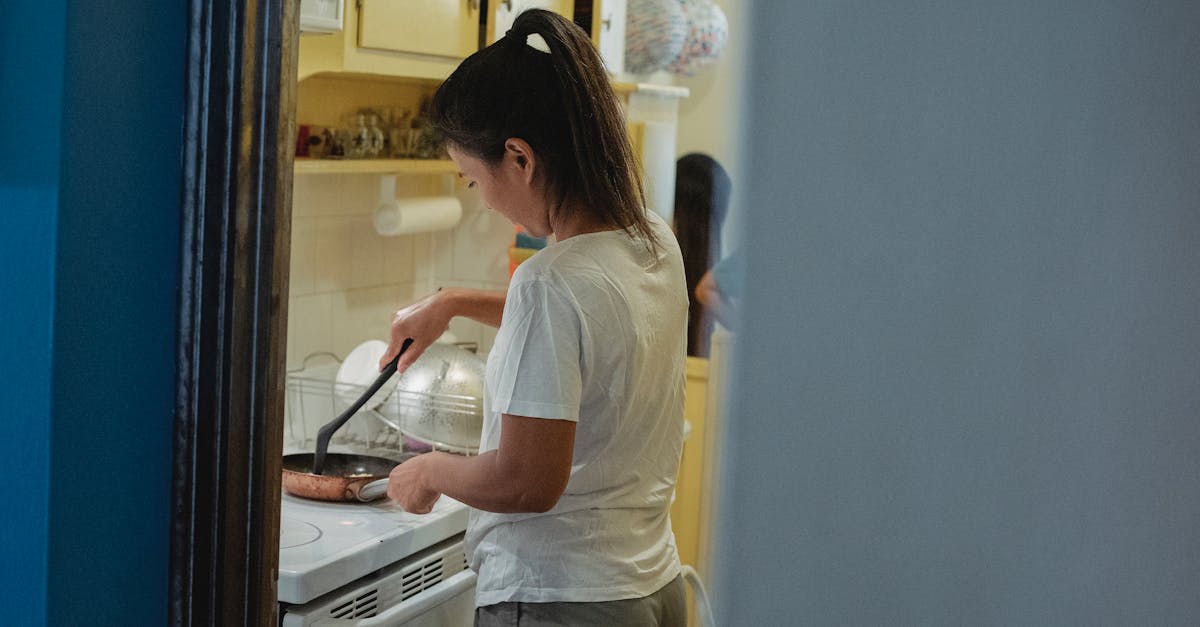
Then his cousins text that they're coming down from Manila for the long weekend, and the clean math quietly rearranges itself. She's the one checking who sleeps where. She's the one up at six marinating pork. He's the one being thanked for the spread.
The arrangement holds until the door opens
Dual-income couples in cities like Iloilo have gotten good at the baseline. Bills get apps. Chores get a loose rotation. The language of partnership comes easy when it's just the two of them deciding whose turn it is to take out the trash.
The baseline doesn't survive contact with extended family. The moment relatives enter the room, an older script loads underneath the new one. Someone has to host, and the host is her, because the host has always been the woman in the kitchen.
Nobody announces this. It arrives as a compliment. The tita who praises how well she keeps the house. The lola who assumes she'll know the recipe. The small corrections about how the table should be set, delivered warmly, aimed only at her.
His name on the lease, her hours in the kitchen
Count the hours and the split stops being even. He contributes money he also earns. She contributes money, plus the planning, the cooking, the three days of hosting that never show up on any bill because unpaid work doesn't invoice.
This is the part the 50-50 setup hides. Splitting rent assumes the only cost worth tracking is the one with a peso figure. Hosting labor has no peso figure, so it falls off the ledger, and it falls onto her.
Research on housework across the region keeps finding the same thing. Women in dual-income households still absorb most of the care work, and the gap widens, not narrows, when the family network expands. The paycheck equalizes. The kitchen doesn't.
Say it out loud and you risk sounding ungracious in front of people you're supposed to welcome. So the comment gets swallowed, the pork gets marinated, and the arrangement survives one more visit by quietly spending her weekend.
What the split was supposed to fix
The appeal of splitting everything was that it promised nothing would be assumed. You pay your half, I pay mine, and neither of us inherits a role we didn't choose. For two people alone in an apartment, that mostly works.
It breaks the first time the role walks in with luggage and a reasonable expectation of lunch. He can keep insisting the relationship is equal. The test isn't the lease he signed. It's whether he's in the kitchen when his cousins arrive, or whether he's in the living room, being hosted too.


