
The Dredge Permit Clears Every Review. The Mud It Leaves Behind Isn't Anyone's to Clean.
A legal sand-dredging operation feeds reclamation fill while a Visayan estuary silts over, and the barangay pays for a loss no clearance accounts for.

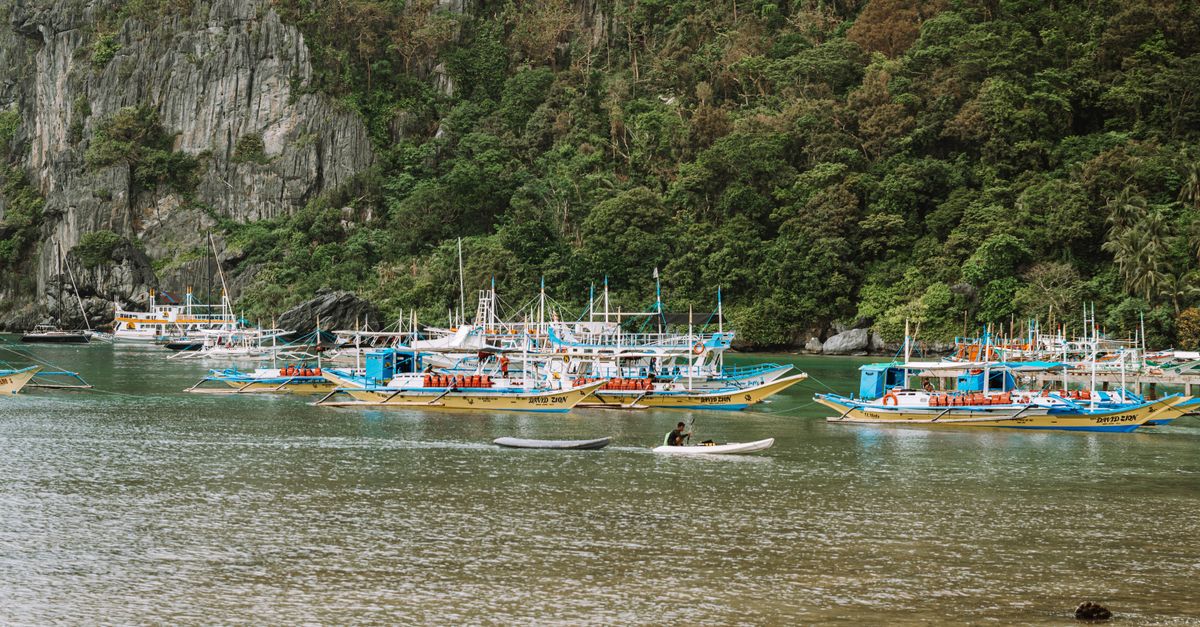
Sand pulled from a Visayan estuary to fill a reclamation site somewhere richer has a paper trail that holds up. The Mines and Geosciences Bureau permit exists, the environmental clearance exists, the operator pays its dues on schedule. What does not exist is a line item for the silt now settling over the shallows where young fisherfolk used to glean shells and small fish at low tide.
That is the part the documents never touch. A clearance certifies that an operation can proceed. It says nothing about what the water looks like six months in, when the plume from the dredge spreads wider than the permitted footprint and the mud smothers the beds that fed a barangay for free.
The catch leaves before the paperwork does
Estuary gleaning is the kind of work that keeps a household fed without a boat, a license, or capital. Kids, grandmothers, anyone who can wade. When the bottom turns to sediment, that work ends first, and it ends quietly because nobody filed for it and nobody tracks it. Fisherfolk groups across the Visayas have reported the same pattern near dredging and reclamation sites: thinner catch, longer hours, a slow retreat to deeper water that only the boat owners can reach.
The fill goes to a reclamation project the barangay will never set foot on. The sand that was common property becomes someone else's coastline, sold by the cubic meter. Chinese-linked contractors and financiers sit behind a share of the region's reclamation push, and the appetite for fill travels with the same corner-cutting that follows cheap extraction anywhere: dredge fast, book the volume, let the plume sort itself out downstream.
A legal operation can still hollow out a coast
None of this requires anyone to break a law. That is what makes it hard to fight. The operator can point to the permit and be correct. The LGU can point to the clearance and be correct. The barangay captain, meanwhile, fields complaints about the smell at low tide and the fish that stopped showing up, with no agency obligated to connect the two.
When cleanup does get discussed, the cost drifts toward whoever is nearest and poorest. Siltation does not reverse on its own, and dredging a navigation channel back open or rehabilitating a smothered bed runs into money no coastal barangay keeps on hand. The operator's bond, where one exists, rarely covers the slow kind of damage that shows up after the equipment has moved to the next site.
And moving to the next site is the usual ending. Shut one dredge down and the demand for fill does not shrink, it relocates, which means another estuary and another barangay start the same clock. A crackdown on one operator reads like a resolution and functions like a transfer.
So the receipts stay clean while the ledger that matters goes unwritten. The sand is sold, the coastline is built, the review is passed. The gleaners work longer for less, the mud stays, and the bill for undoing any of it has no name on it yet.


