
The Boost Runs Daily. The Bangsamoro Code That Caps It Has No One to Send.
Party-list and district campaigns in Maguindanao and Lanao del Sur are buying Facebook reach and TikTok influencers while first-time voters can't tell a paid post from a barangay endorsement.

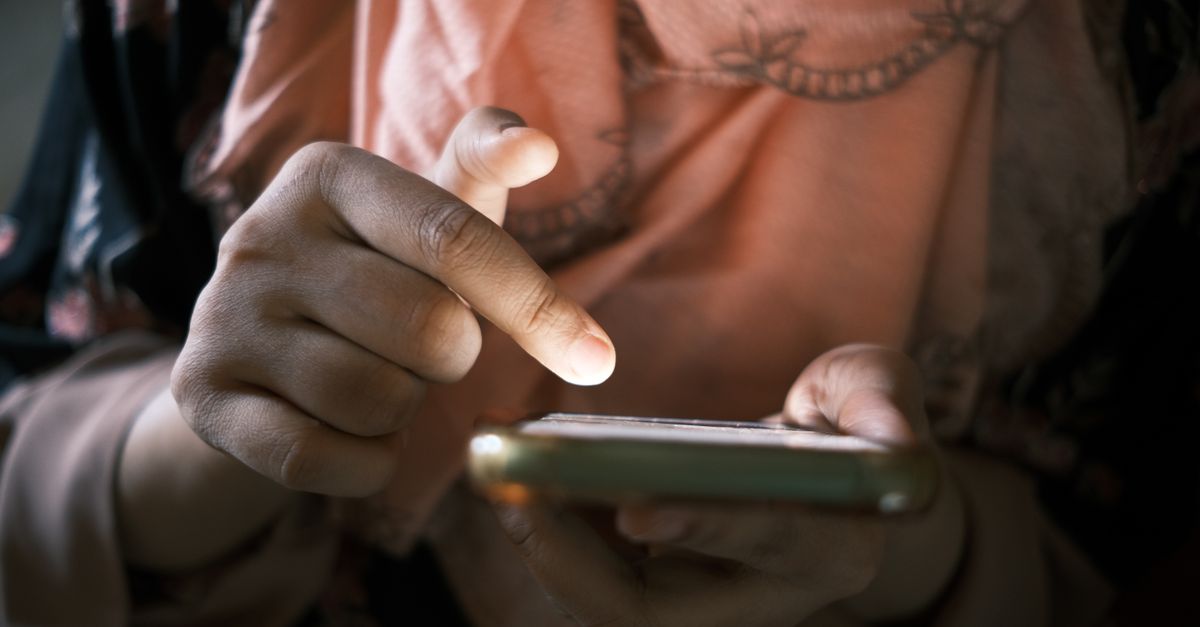
Two months before BARMM votes on September 14, the ad money moved to the phone. Campaigns in Maguindanao and Lanao del Sur are boosting Facebook posts and cutting deals with TikTok creators, and the reach lands in the same feed where a first-time voter watches a cousin get married and a barangay captain endorse a slate.
The Bangsamoro Electoral Code wrote spending caps into law. What it did not build was a body with the staff and the mandate to check whether a candidate actually spent within them, so the ceiling reads like a suggestion and the campaigns treat it that way.
The paid post wears a friend's face
A boosted post carries the platform's tiny "Sponsored" tag, which most feeds bury and most first-time voters scroll past without registering. A TikTok creator who takes a fee to praise a candidate rarely flags the arrangement, so the pitch arrives dressed as a personal opinion from someone the viewer already follows.
That blur is the point. When a district hopeful pays a local page to run videos through the week, the spend never shows up as a campaign ad because the invoice sits between a private page and a private candidate, off any ledger a regulator could subpoena.
Election watchdogs have flagged this pattern across the country for years, and BARMM inherits it with fewer guardrails. The region is running its first parliamentary vote under a code still being tested in real time, and the enforcement muscle is thinner than the ambition on paper.
Who benefits when the cap can't be checked
The math favors incumbents and the well-funded. A candidate who can pay for daily boosts and retain a roster of creators drowns out anyone running on a volunteer page, and the spending cap that was supposed to level the field protects no one it can't enforce against.
Comelec sets national rules on election-related content, but a Bangsamoro-specific vote sits at an awkward seam between the national body and a regional code whose institutions are new. Advocacy groups pushing for cleaner campaigns have asked for clear ad transparency and takedown channels, and so far the answer is that the platforms self-police and the voter fends for herself.
The platforms carry their own share here. Meta and TikTok run political ad libraries elsewhere that let anyone see who paid for what, yet coverage and disclosure stay patchy across the southern Philippines, and a boosted post in Marawi or Datu Odin Sinsuan gets far less scrutiny than one in Manila.
What a first-time voter actually sees
Strip away the framing and the problem is small and concrete. A 20-year-old in Lanao del Sur voting for the first parliament of her life opens TikTok, watches a creator she trusts hype a candidate, and has no reliable way to know money changed hands.
The code promised her a race with limits. September 14 arrives with the limits written down, the boosts running daily, and no office holding the receipt.


