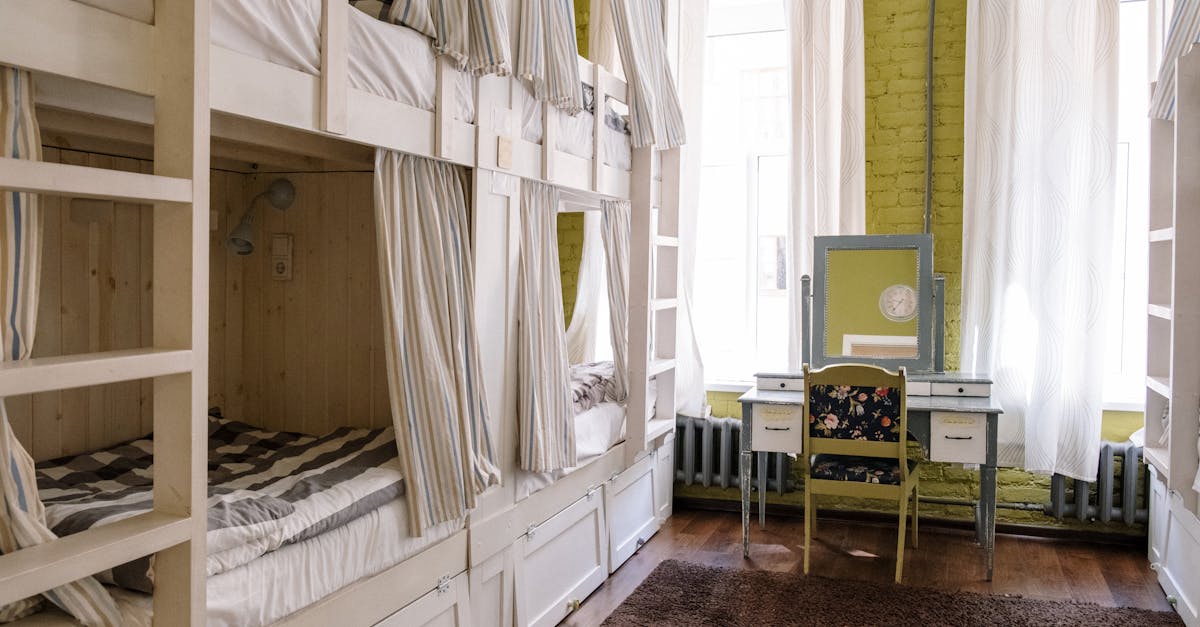

The Bed Says All-Inclusive. The Aircon Meter and a Curfew Fee Say Otherwise.
Manila co-living promises one flat rate, then splits shared costs into per-head penalties that hit graveyard-shift BPO tenants who aren't even home at 'peak.'

You sign for a bed billed as all-utilities-included. Three months in, your statement has a metered aircon line, a 'curfew access fee,' and a 'peak-hour surcharge' you never saw at viewing.
This is how co-living in Manila works once you read past the flat rate. The headline price covers the mattress. Everything that makes the mattress livable gets unbundled, counted per head, and charged back to you.
Metered by the room, billed by the body
The pitch sells a shared cost. One building, one meter, one price. Then the aircon in your room gets its own sub-meter, and your night of sleep becomes a billable unit.
The tenants who run cold at 2 p.m. because they work US hours get the worst of it. A graveyard-shift agent sleeps through the day with the aircon on, because the alternative is lying awake in Manila heat before a ten-hour call shift. The meter does not care that this is a work requirement. It just runs.
Shared electricity used to mean the building averaged it across everyone. The sub-meter kills the average. It isolates the heaviest user and sends them the invoice alone.
A 'peak' they are never home for
The curfew access fee is the part that reads like a joke until it clears your wallet. Entry after a certain hour costs extra. The fee scales during 'peak' windows that the contract reserves the right to adjust.
Peak hours land in the evening. BPO tenants clock in around then and get home at dawn. So the fee hits hardest on the people who are physically absent during the exact window it claims to price.
A fee for congestion you did not cause, timed to a crowd you are never part of. The contract defines 'peak' and keeps the right to redefine it, so the number moves whenever occupancy and the operator's math say it should.
The contract does the splitting
Every one of these lines started as a shared building cost. The security budget, the common electricity, the generator fuel. Co-living operators learned they can lease a converted house, slice the shared bills into per-head penalties, and keep the advertised rent low enough to fill beds.
The flat rate is a hook. The real price is assembled line by line after you move your things in and the deposit is non-refundable.
Housing advocates have flagged this across Metro Manila's rental market for years: fees that appear after signing, charges that shift mid-lease, deposits that quietly cover the gaps when a tenant complains. Co-living just gave the model a hostel aesthetic and a startup app.
What you can do is thin. Ask for the full fee schedule in writing before you pay, screenshot the viewing listing, and photograph the sub-meter reading the day you move in. None of it stops the charges. It only gives you something to point at when the statement arrives taxing you for sleeping during the day.