
Ten Years of Livestream Sales in Dubai, and the Reseller Account Reads Her Like Day One
OFW returnees who built loyal buyers over a decade come home to reseller accounts flagged as new-seller risk the moment the remittance history stops.

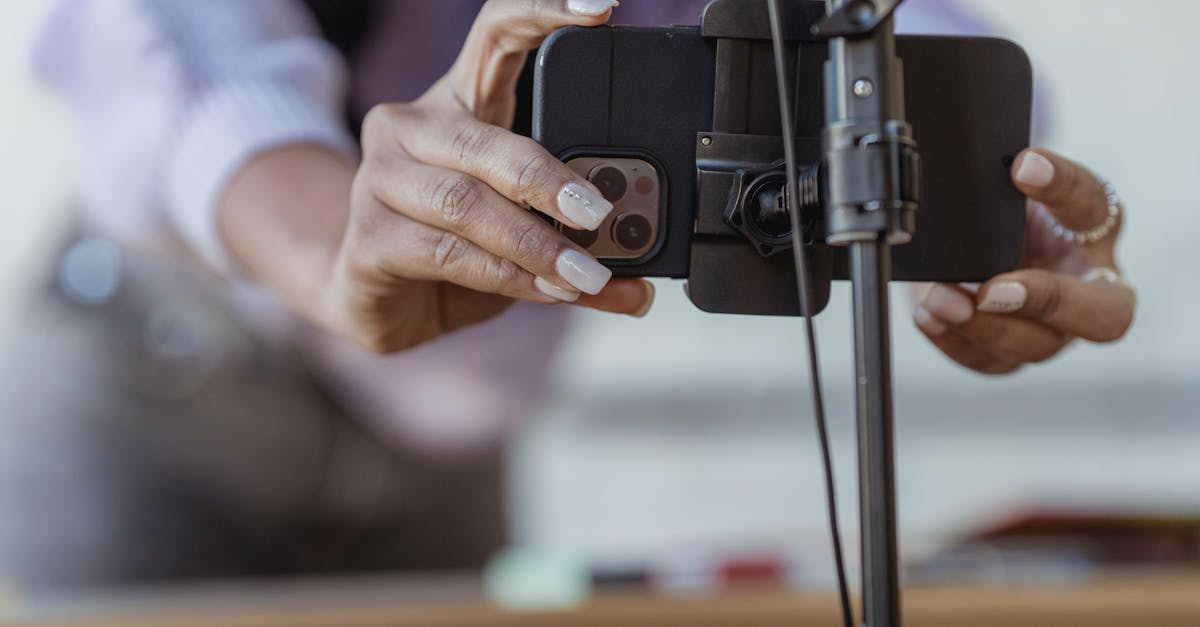
She sold for a decade from a studio in Deira, phone propped against a rice cooker, showing Filipina buyers back home which abaya folded flat in a balikbayan box. Ten years of live carts, COD confirmations, and repeat customers who called her ate in the comments. Then the contract ended, she flew home, and the account that hosted all of it looked at her and saw a stranger.
Reseller trust scores run on signals nobody explains fully. Sellers describe them tracking order volume, delivery reliability, returns, and steady payment flow. Livestream sellers abroad feed that pattern constantly. When the seller lands in Manila and the money stops moving through the old rails, the signals thin out, and the account gets read as risk, not relocation.
The remittance was the reputation
Nobody tells you the remittance line was doing double duty. It paid your sister's tuition, and it also fed the fintech profile that let your reseller account clear payouts fast. A Dubai salary hitting a GCash or a linked card built a pattern. Come home, switch to peso income that trickles instead of lands, and the record underneath the account quietly thins.
Payment processors and e-commerce platforms both lean on payment history. Long gaps, a changed device, a new SIM, a different city of login, all of it can read as a fresh account wearing an old name. The buyers who followed her for years mean nothing to a system watching only the most recent stretch of activity.
The buyers stayed. The system forgot.
Returnees describe the same wall. Payouts they used to receive fast now sit longer. Limits they never noticed feel tighter. The account that shipped hundreds of orders from overseas gets treated like it opened yesterday. Advocacy groups for returning workers have flagged how much of a seller's livelihood lives inside these digital storefronts, and how little of that carries across a move home.
So she starts over. Runs a few sales at a loss to rebuild volume. Ships cheap items just to log clean deliveries. Asks a cousin whose account never left the country to front the payouts, which is exactly the workaround a fraud model is built to catch, so now two accounts look suspicious instead of one.
Reintegration on paper, not on the platform
The DMW has widened what reintegration means. As of 2026 its support goes beyond plane tickets and loans to livelihood grants and digital-skills training, and it runs a 'Buy Lokal, By OFW' program with GCash aimed at helping returning OFW entrepreneurs build businesses with digital tools.
What none of that ports is the thing she actually built: a customer base and a shipping record earned over ten years on one account. There is no letter from a platform that says this person is who she says she is, no way to hand a decade of clean deliveries to a system that only sees the last few weeks.
What she keeps is the comment section. Buyers still tag her, still ask when the next live drops. The demand followed her home. The account did not. She can prove ten years of sales to every person who watched them and to no algorithm that decides whether the money moves this week.


