
PEZA Rents Her a Desk. Her Robots Ship to a Warehouse Across the Border.
Ecozone incentives were built for BPO seat counts, so a Cebu hardware founder keeps her parts on racks abroad while local zones offer office space she can't use.

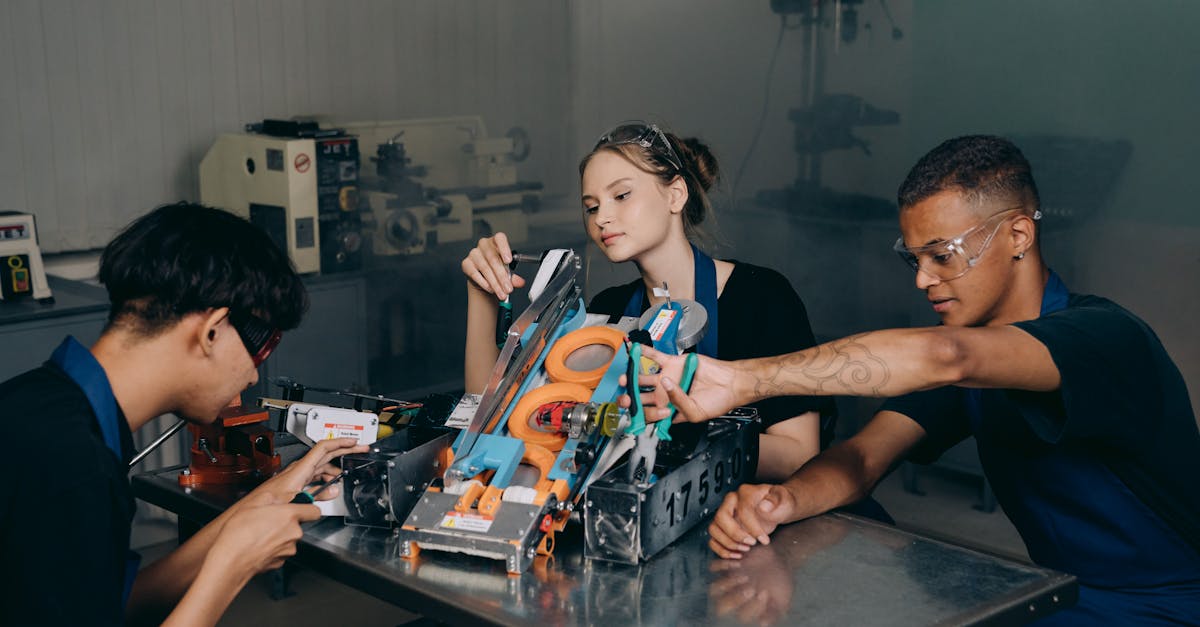
A robotics founder in Cebu can walk into a PEZA-registered building tomorrow and get a tax break on a floor of desks. What she cannot get is a zone that treats a machine shop, a soldering bench, and a wall of warehouse racks as the thing she actually builds. So her hardware sits on rented racks in another country, and the incentive designed to keep her home subsidizes empty office space instead.
Who the incentive was drawn for
PEZA's ecozone model grew up around the BPO boom, and it shows. The registrations, the location rules, and the leasable inventory all assume a tenant who needs seats, headsets, and bandwidth, not a founder who needs a loading dock, three-phase power, and space to stack components. IT parks fill up with call-center floors because that is the tenant the paperwork was written to reward.
A deep-tech hardware lab reads differently on every form. It stores inventory, moves physical goods, runs equipment that trips a residential breaker, and files for import treatment on parts that a services locator never touches. The path exists on paper, but it runs through manufacturing-zone rules and customs categories that a small robotics team cannot navigate the way a landlord flips a services lease.
Who ends up renting elsewhere
The gap sends work across the border, quietly. A founder who wants racks, fast customs clearance on components, and a warehouse that a supplier already services finds all of it in Ho Chi Minh City, Shenzhen, or Johor before she finds it in a Cebu ecozone. The incentive that was supposed to anchor her instead pays for the desk she doesn't need while she wires money out for the space she does.
This is the part that stings. Regional hardware founders report the same routine: prototype at home, then rent storage and light assembly abroad because the local zone can't classify what they make. Every month those parts sit on foreign racks, the supplier relationships, the freight lanes, and eventually the jobs settle there too.
None of this reads as illegal. The zones are permitted, the leases are clean, and the incentive is real for the tenant it fits. A working permit for a services locator is just not a home for a hardware lab, and calling both of them "the ecozone" hides how much the difference costs.
What would actually change the address
Fixing this is not a new law so much as a new tenant profile. Government has already floated startup-friendly measures on paper, and PEZA can register manufacturing and logistics activity today, so the real question is whether a small hardware team gets treated like a factory-sized locator or gets a lane built for its scale: shared wet labs, bonded storage a founder can actually rent by the rack, and customs handling that clears a shipment of sensors as fast as a services firm clears a batch of laptops.
Until then, the math is blunt. A Cebu founder keeps her cap table, her standups, and her passion here, and rents the rack that holds her actual product somewhere the paperwork lets her land. The incentive kept the desk. The robots left.


