Pampanga Cuts the Ribbon Every Dry Season. The Same Barangays Flood by August.
Japanese and multilateral money keeps funding dikes and floodgates in Pampanga, but the flood loop persists, so the maintenance line is worth reading before the next groundbreaking.

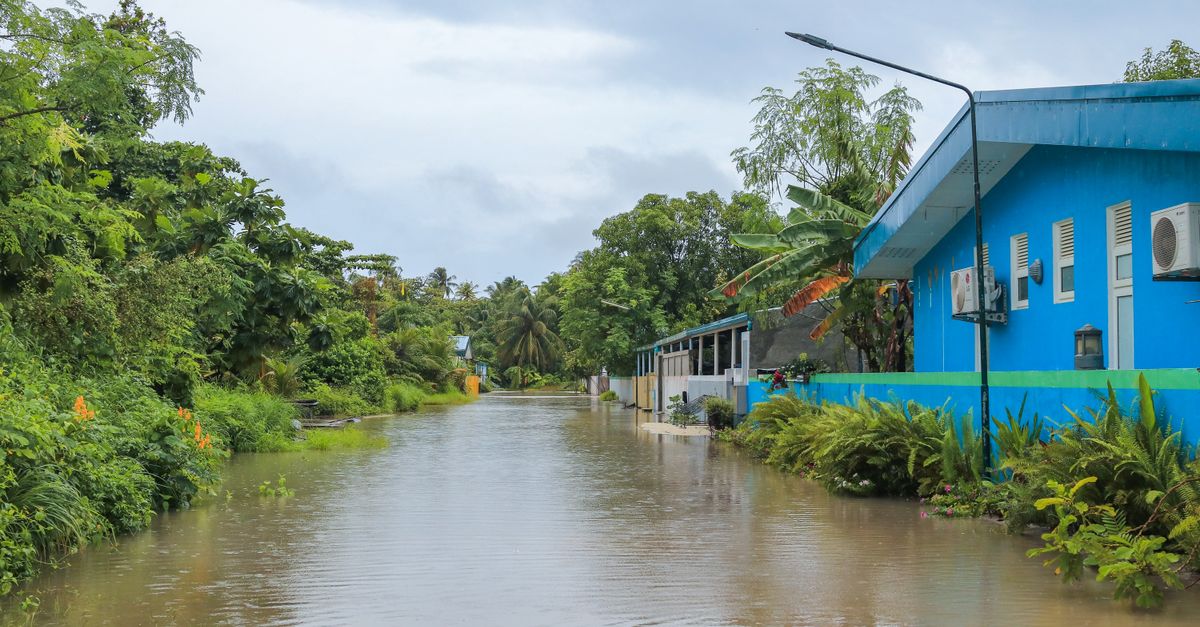
Every summer, a stretch of Pampanga gets a fresh dike, a rehabilitated floodgate, or a new pumping station, and the officials arrive for the photo. By August, the water is back in the same living rooms it filled last year, and the year before that. The projects are real. The floods are also real. Both keep happening.
The money is not the mystery. Flood management in Central Luzon and Metro Manila has drawn on Japan through JICA, including the Pampanga Delta Development Project, alongside multilateral lenders like the Asian Development Bank and the World Bank. DPWH Secretary Manuel Bonoan has described an ADB-financed Central Luzon–Pampanga River Floodway as a 60-kilometer, 400-meter-wide floodway meant to significantly address flooding in Bulacan and Pampanga, with financing arrangements being made with ADB for the detailed engineering design. The Pampanga River basin draws its headwaters from the Sierra Madre and Caraballo ranges, while Pinatubo lahar drains separately down the Porac and Gumain rivers into the same delta, so the province catches water from more than one system and pulls serious flood-control spending year after year. The question worth asking is what those projects promise beyond the launch.
A groundbreaking is a deliverable. Drainage that still works in 2030 is not.
Read the way public works get scoped and a pattern shows up: the milestone everyone celebrates is completion, the inauguration, the ribbon. Upkeep is a different animal. A floodgate installed under a foreign loan needs regular operation and dredging to work as designed, and that recurring cost has to survive the next budget cycle, the next administration, the next set of local priorities.
The public record shows this line is not always blank. Under the ratified P6.793-trillion 2026 national budget, the DPWH's P529-billion allocation sets aside about P2.49 billion as maintenance and other operating expenses for flood control and drainage systems, with each of the 18 regions receiving P100 million in MOOE for ongoing flood-control-related projects and P690 million allocated nationwide. What that same budget contains no money for is new locally funded flood-control construction, frozen amid the corruption investigation now shadowing the whole program.
Foreign lenders write the build. Local budgets are supposed to write the rest.
This is where the finger-pointing gets convenient. Blaming any single foreign lender misses how the machinery works. Loan packages typically cover capital costs, and the borrowing government carries operations and maintenance from its own funds, so the corner that gets cut is domestic, in the appropriations that fund a ribbon and then thin out on dredging and pump repair.
Some officials will call scrutiny of these projects politicized, aimed at rival administrations or specific contractors. Fair enough to name that claim. It still doesn't answer the plainest test a young Kapampangan can apply: pull the project brief and read the maintenance allocation. On September 15, 2025, President Ferdinand Marcos Jr. said all flood-control projects for 2026 were cancelled and the savings realigned to a menu of priority sectors including education, health, agriculture, housing, infrastructure and energy, while stressing that the P350 billion already earmarked for 2025 must first be fully utilized.
The people who lose are not abstract. Families in low-lying barangays who evacuate the same route every year, small storeowners who write off inventory each September, workers who lose paid days to water they were promised protection from. They financed the concrete through national taxes and public debt. What they still have to check, line by line, is whether anyone is paid to keep the floodgate running after the officials go home.