

Indonesia's Peat Fires Can Reignite Underground Even as Hotspots Drop, Groups Warn
Environmental campaigners say falling hotspot counts hide the risk of smouldering peatland fires, with Palembang's air pollution index topping 1,000 amid hot, dry weather.

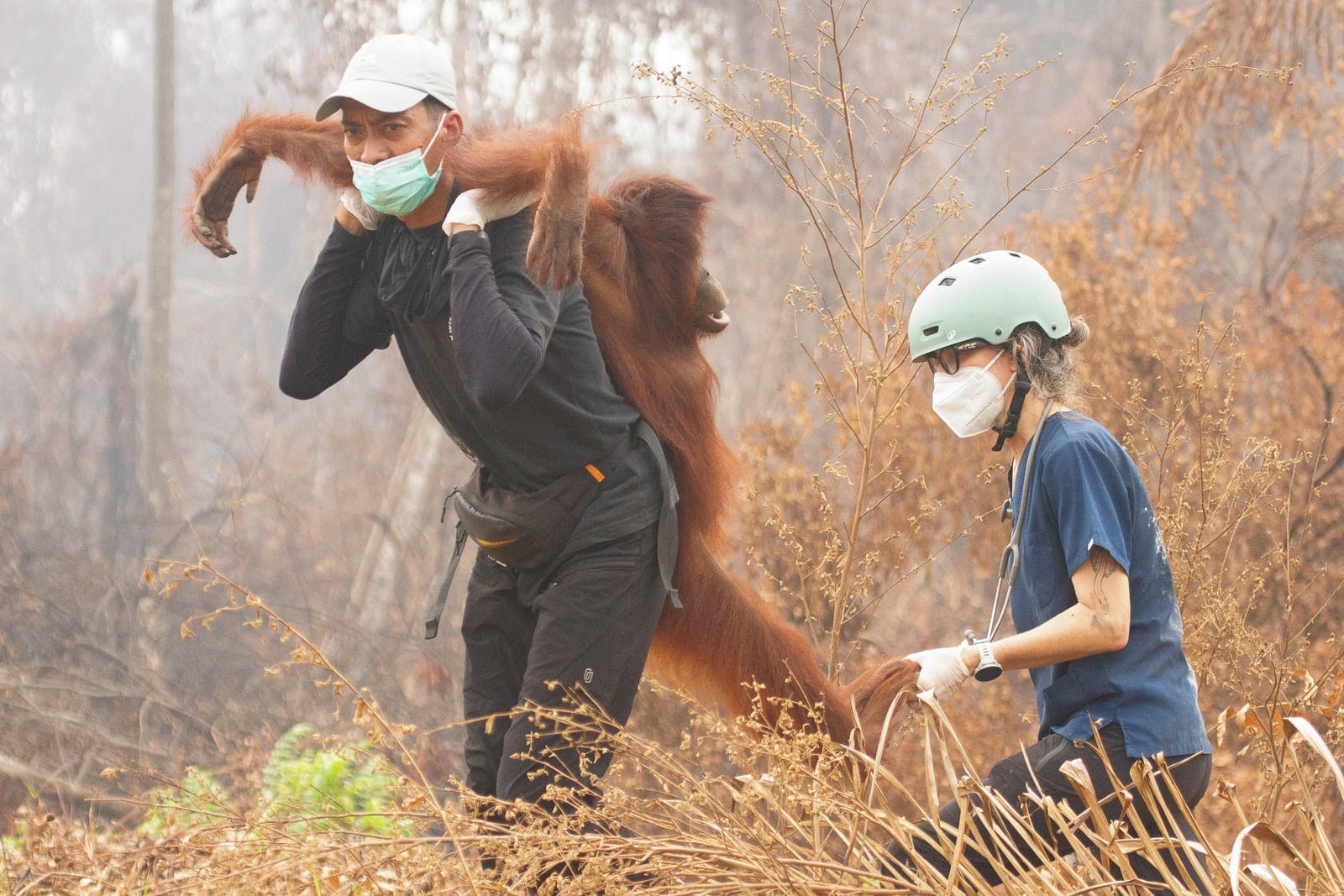
JAKARTA, Oct 5 (Reuters) - The Indonesian government must keep its guard up against wildfires despite a recent decline in the number of hotspots, with peatland fires still prone to flare up amid persistently hot and dry weather, environmental groups said on Monday.
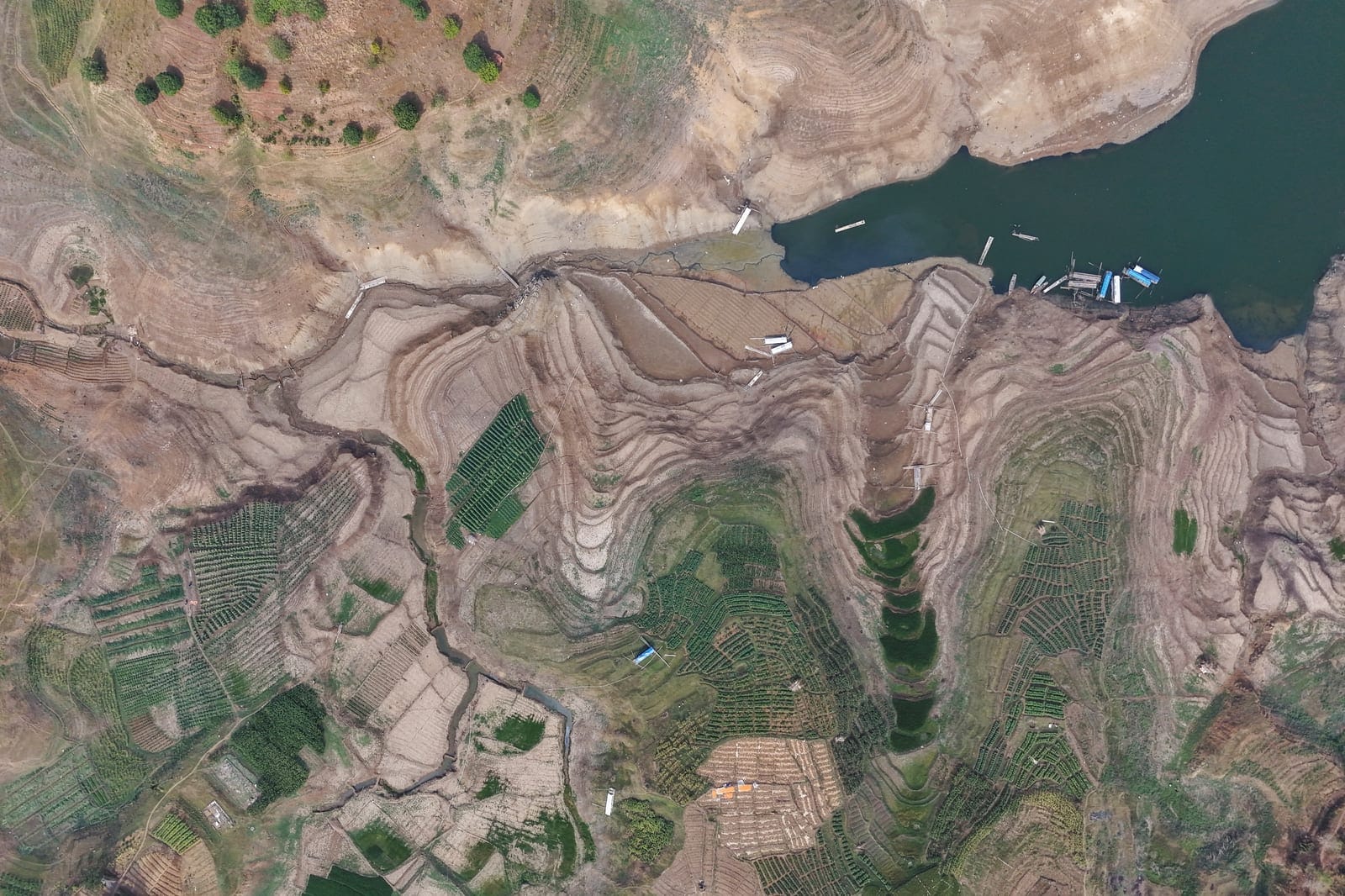
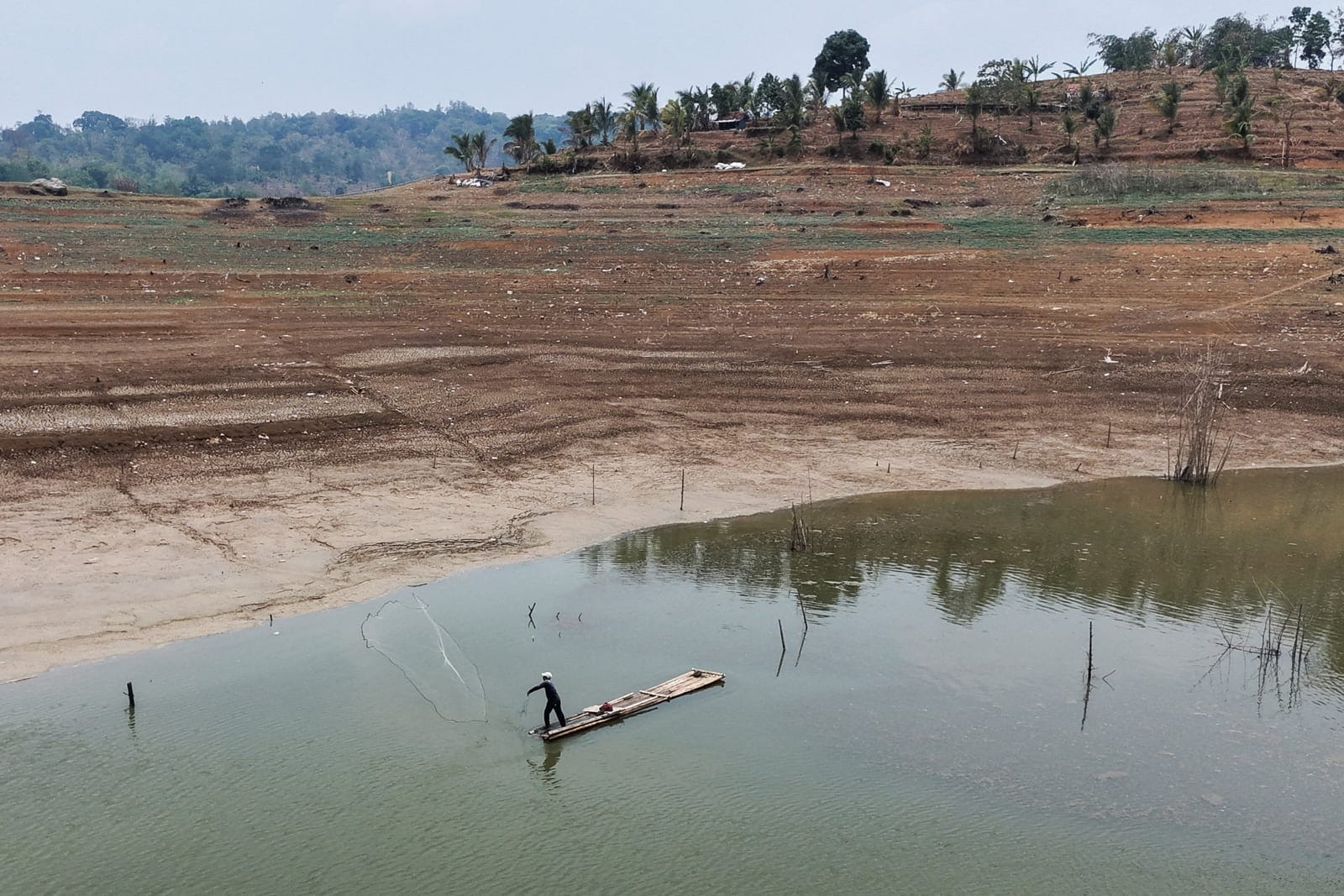
The Southeast Asian country has been battling its most intense wildfires in 11 years, with "super El Niño" weather driving up temperatures.
Fire and haze have also caused a spike in the number of respiratory illnesses in Indonesia and shrouded neighbouring Malaysia and Singapore in hazardous smog.
Though Indonesia's Forestry Ministry said the number of hotspots had nearly halved from Friday to Saturday, there was still high potential for peatland fires, said Putra Saptian, a campaigner with the peatland protection group Pantau Gambut.
"A reduction in hotspots should not be cited by the government as a key indicator of success, given that the characteristics of peatland fires differ from those of fires on mineral soil," he told a press conference.
"The nature of (peatland) fires, which spread through underground organic material, can trigger persistent smouldering and create the potential for fires to re-emerge," he said.
The group warned that out of 24 million hectares of Indonesia's peatland, 16 million hectares have been made more fire-prone as a result of ecosystem damage, including extensive deforestation and the depletion of water tables.
A study conducted by Pantau Gambut showed that only 3% of the peatland damaged by fires over the 2015-2019 period has been restored into forest, and the group urged the government to do more to tackle peatland degradation.
President Prabowo Subianto launched a new peatland and mangrove restoration agency last month.
FORESTRY MINISTRY ON HIGH ALERT
The Forestry Ministry said in a statement on Sunday that it remained on high alert and would maintain efforts to contain fires, especially peat fires.
In South Sumatra, thick haze from peat fires was turning the sky yellow, with air pollution at "a very terrifying" level, said Kartika Lestari, an environmental campaigner based in the provincial capital of Palembang.
"Dust is clinging to our clothes: imagine what that would do to our lungs," Kartika told the Monday briefing.
The air pollution index in Palembang exceeded 1,000 on Monday. A reading of above 300 is categorised as "hazardous".
At the same briefing, environment group Greenpeace called on the government to go after companies linked to the fires, including Malaysia-based firms running businesses in Indonesia.
Malaysia's Natural Resources and Environmental Sustainability Minister Arthur Joseph Kurup warned at a separate briefing on Monday that "the worst is yet to come", with hot and dry conditions set to persist into the new year.
(Reporting by Fransiska Nangoy in Jakarta, additional reporting by Rozanna Latiff in Kuala Lumpur; Editing by David Stanway)


