
Garment Workers Clash With Police in Bangladesh Over Smallest Wage Hike in 40 Years
Police fired tear gas and sound grenades at protesting garment workers in Gazipur a day after a panel approved a 36% minimum wage increase, far below demands for a doubling.


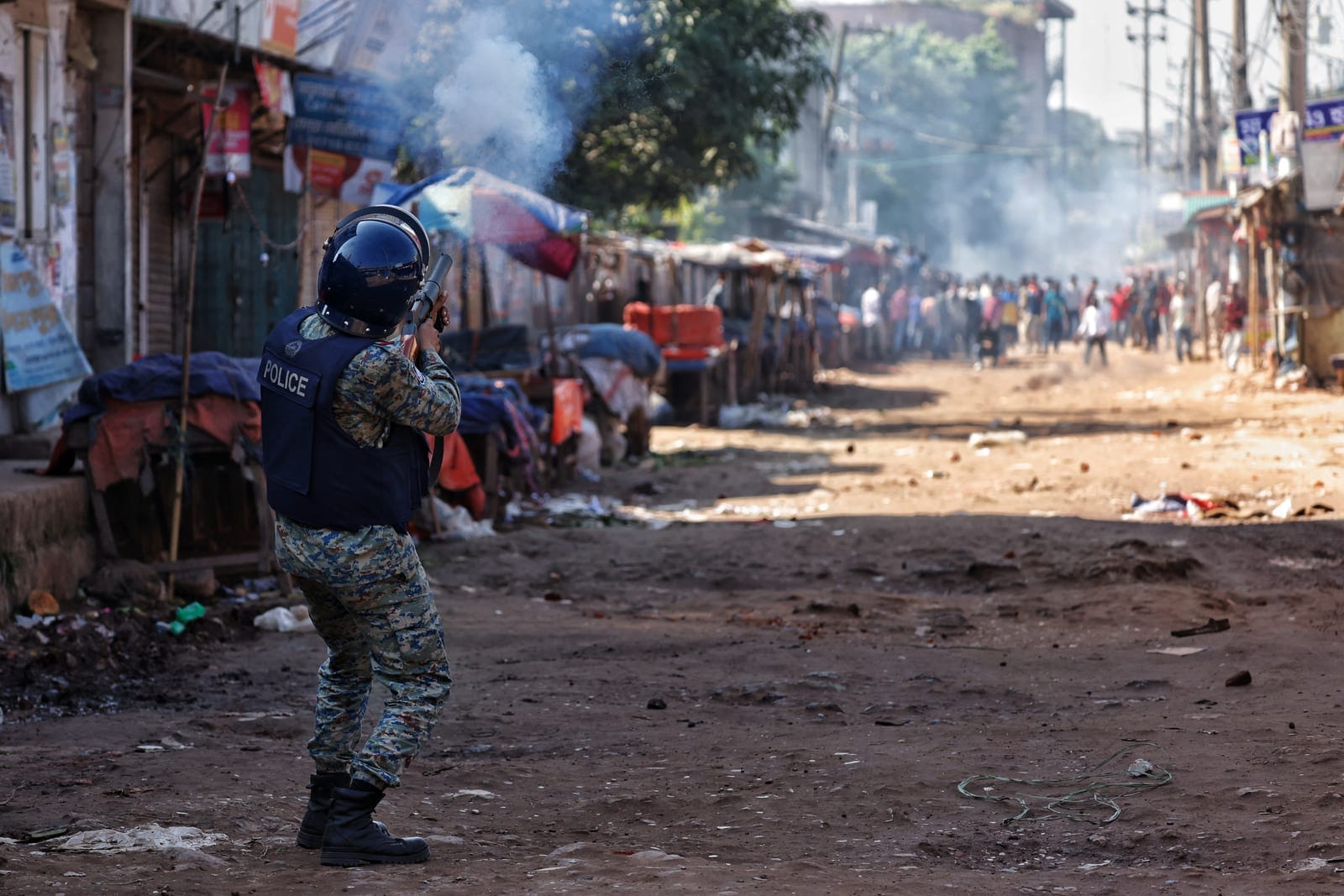
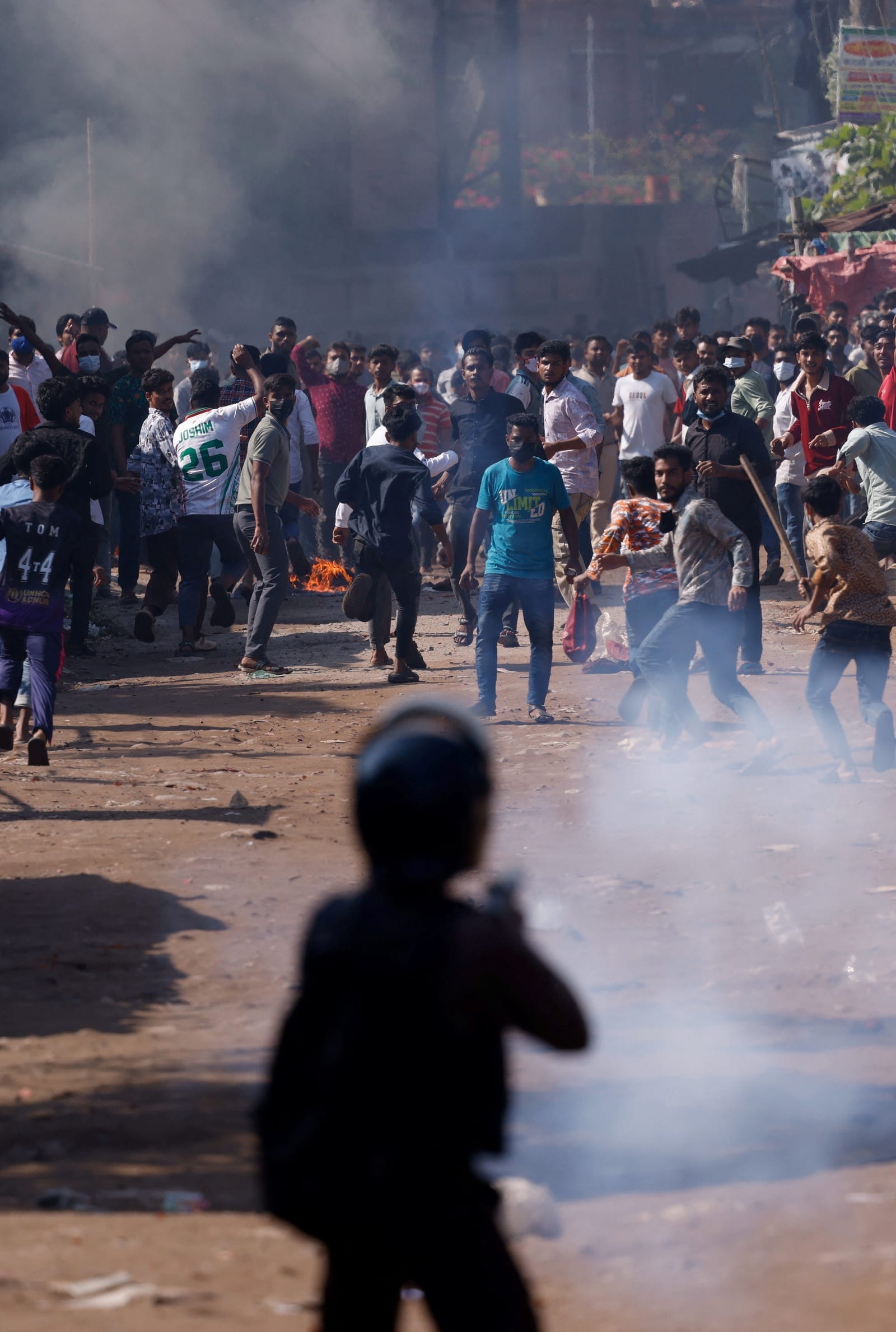
DHAKA, Nov 26 (Reuters) - Bangladesh police said they fired tear gas shells and used sound grenades to disperse protesting garment workers who tried to block a major highway on Thursday to press their demand for better wages.
The fresh protest broke out a day after a six-member panel approved a 36% increase in the minimum wage for garment workers, the smallest in four decades, despite weeks of protests and calls for the sum to be doubled.
Protesters also set fire to a police motorcycle in Gazipur, one of Bangladesh’s major garment manufacturing hubs, which has been at the centre of the workers' agitation, police said, adding that peace had since been restored.
"The situation is now calm, but we remain on alert," said Mohammad Amjad Hossain, superintendent of Gazipur Industrial Police.
Weeks of protests by garment workers have shuttered factories, blocked highways, damaged property and disrupted production in a sector that employs more than 4 million people in a country of around 175 million.
The government-appointed wage board's decision, which came in the early hours of Wednesday after nearly 12 hours of talks between workers' and employers' representatives, did little to ease tensions, with protests breaking out within hours of the announcement.
Labour rights advocates said the increase fell well short of workers' demands and would not provide a living wage.
The garment workers' protests, along with separate political tensions and violence sparked by former Prime Minister Sheikh Hasina's plan to return to Dhaka from self-imposed exile in India, have fuelled fears of renewed instability in the South Asian country, the world's second-largest garment exporter after China.
(Reporting by Ruma Paul, writing by Shilpa Jamkhandikar; Editing by YP Rajesh)


