Diesel Went Up Again and Your Tricycle Driver Stopped Doing the Short Trips
Oil prices are climbing again, and the people moving Manila around are quietly recalculating which rides are worth the fuel.

Diesel pump prices in Metro Manila are climbing again, and the people who feel it first are not commuters. They are the drivers who decide whether to accept your booking.
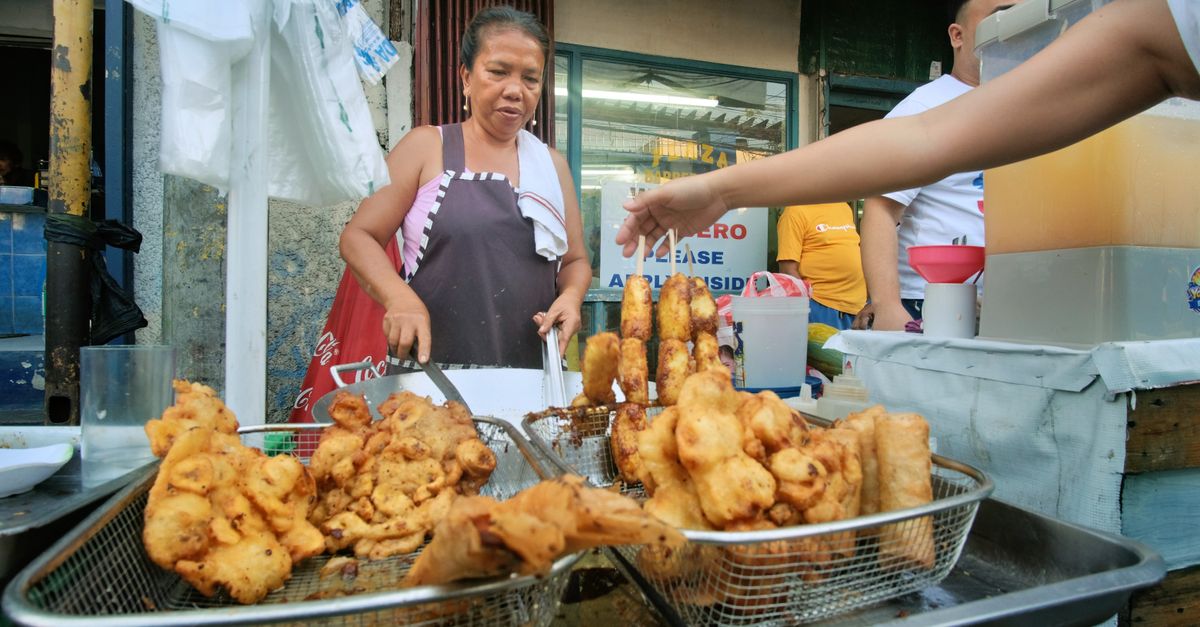
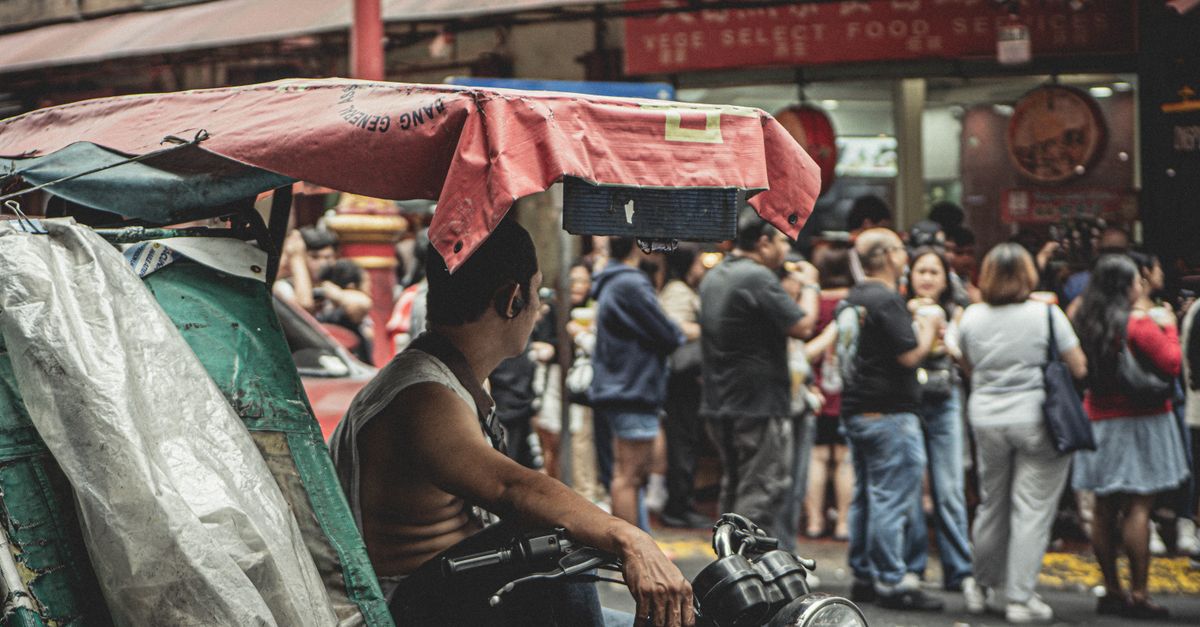
Tricycle drivers in Cainta are turning down trips that feel too short to bother with. Grab drivers in Pasig are logging off at lunch because the math stops working after a few surge-less rides. Jeepney operators on Antipolo routes are running shorter loops to save a tank. The cost of moving anywhere is being absorbed by the people who already had the thinnest margins.
The fare you pay is not the cost you pay
LTFRB has not approved a fare hike that matches what the pump is doing. So the adjustment happens off the books. The driver waits longer to fill the jeep. The tricycle quotes you a higher rate than last month and calls it a special trip. The Lalamove rider asks for tip money before pickup.
None of this shows up in inflation reports the way rice does. It shows up in the extra time you wait at the terminal, and in the message from your kuya saying he is not driving this weekend because he cannot break even.
The supply story nobody controls
The reasons being cited are the usual ones. Tensions in the Middle East. OPEC+ production decisions. A weaker peso making every imported barrel more expensive in local terms. The Department of Energy holds press briefings. Oil companies post their weekly adjustments on Tuesday. Nothing about the structure is built to protect the driver in Cainta.
The Philippines imports almost all of its oil. There is no domestic cushion. When global crude moves, the pump moves within weeks. The Pantawid Pasada fuel subsidy program exists, but disbursement schedules move slower than prices do, and a one-time cash card does not cover months of elevated diesel.
When does it end
Honest answer: nobody running a government agency in Manila can tell you. Energy analysts have been wrong in both directions for years. Forecasts that called for cheaper oil watched it climb. Forecasts that called for expensive oil watched it slide. Pricing crude is a guess dressed up in charts.
What is predictable is the downstream effect. Sari-sari store deliveries cost more, so sachet prices creep up. School service vans are quietly raising monthly rates for the next term. Provincial bus operators are cutting trip frequencies, which means the Sagada-Manila ride your barkada wanted to book in June might not run on the day you need it.
The drivers are not waiting for the price to end. They are recalculating which trips are worth doing, which passengers are worth picking up, and which days they keep the vehicle parked. The fare hike will come eventually, months late, and it will be smaller than what they already lost. The receipt for this oil cycle is being paid right now, in skipped rides and shorter routes and a tricycle driver in Cainta saying no to your booking.