Bulacan INC Locals Run a QR Scanner That Pings the District Minister Before the Hymn Ends
Attendance tracking went digital at Iglesia ni Cristo worship services in Bulacan, and the data lands upstream faster than the closing prayer.

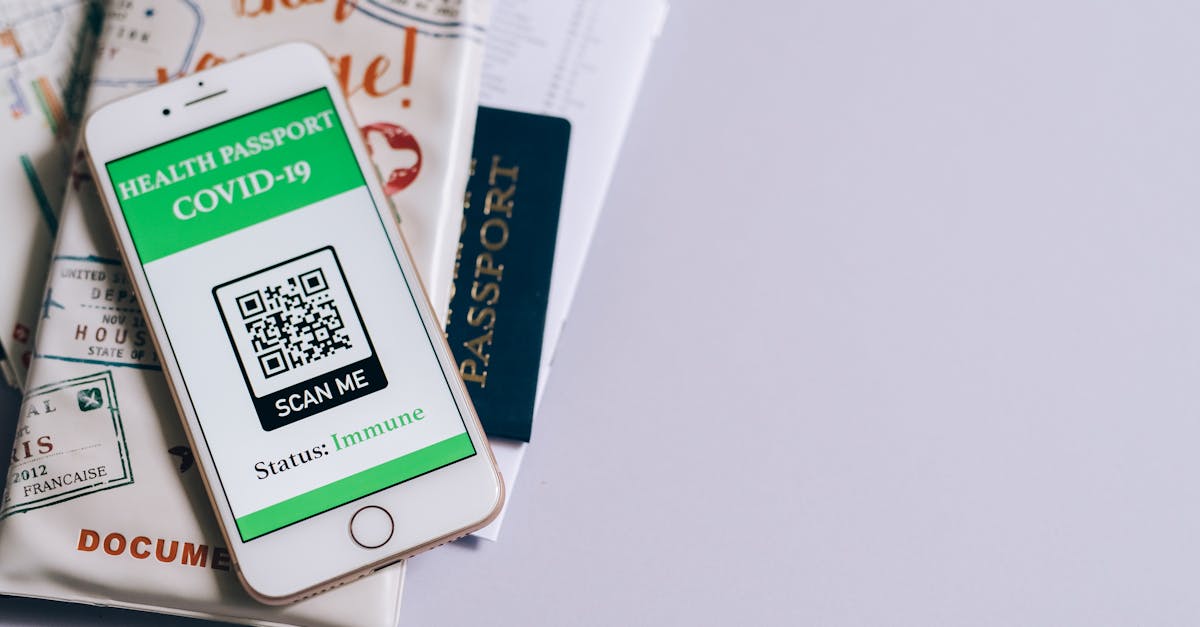
At Iglesia ni Cristo locals across Bulacan, you tap in at the chapel door. A volunteer holds a phone, you flash a QR, and the scan logs your name, your local, and the exact minute you walked in. Before the closing hymn finishes, the district minister already has the roster on his screen.
Members describe it as orderly. Younger ones describe it as something else. Showing up at worship has always been counted in INC life. What is new is the speed, the precision, and the fact that a missed Thursday now travels up the chain before you have even reached home.
The scan is the sermon now
The Church of Christ has run attendance discipline for generations through the per-member tarjeta, ministerial visits, and local officers who notice when a pew sits empty. If you worshiped at another local, you carried back a certificate so the visit could be credited to your home congregation. The QR system collapses that workflow into a database. Officers no longer reconstruct who came. The phone tells them, and tells the minister, and tells whoever audits the minister.
For members in their 20s, the math is uncomfortable. You can skip one service if a deadline runs late, a cousin is in the hospital, or the LRT breaks down again. By the time you message your head deacon to explain, the absence is already in a spreadsheet two layers above him.
What the data actually does
Attendance inside INC is not just a record. It feeds eligibility for sacraments, weddings, leadership roles, scholarship endorsements, and the social standing of your household within the local. A clean record opens doors. A patchy one closes them, sometimes without anyone telling you directly.
The QR layer means those decisions can now be made on data you cannot see, edited by people you cannot reach, and stored in a system the Church has not publicly described. There is no privacy notice taped to the chapel wall. There is no opt-out form. Membership and the scan arrived as one thing.
The generation that grew up scanned
Young INC members are already living inside surveillance they did not choose. Office biometrics. Condo lobby cameras. School LMS dashboards that log every late submission. The chapel QR slots into that stack cleanly, which is part of what makes it sting. The one place that was supposed to feel different now runs on the same logic as your employer.
Some quietly stop attending the worship at their home local and float between chapels where the volunteer at the door does not know their face. Others just absorb it. A few have started asking older relatives whether the Church has ever shown them where the data sits, who can pull it, and how long it is kept. The answers come back vague.
The bargain inside INC has always been clear: you give the Church your time, your tithes, your presence, and the Church gives you community, structure, and a clear line to salvation. The QR scanner did not change the bargain on paper. It changed who watches you keep it, and how fast they know when you do not.