
Bank Indonesia Keeps Full Control Over Interest Rates, New Governor Says
Destry Damayanti says Bank Indonesia has full authority over rate decisions despite closer coordination with President Prabowo's government, amid investor worries over political interference.


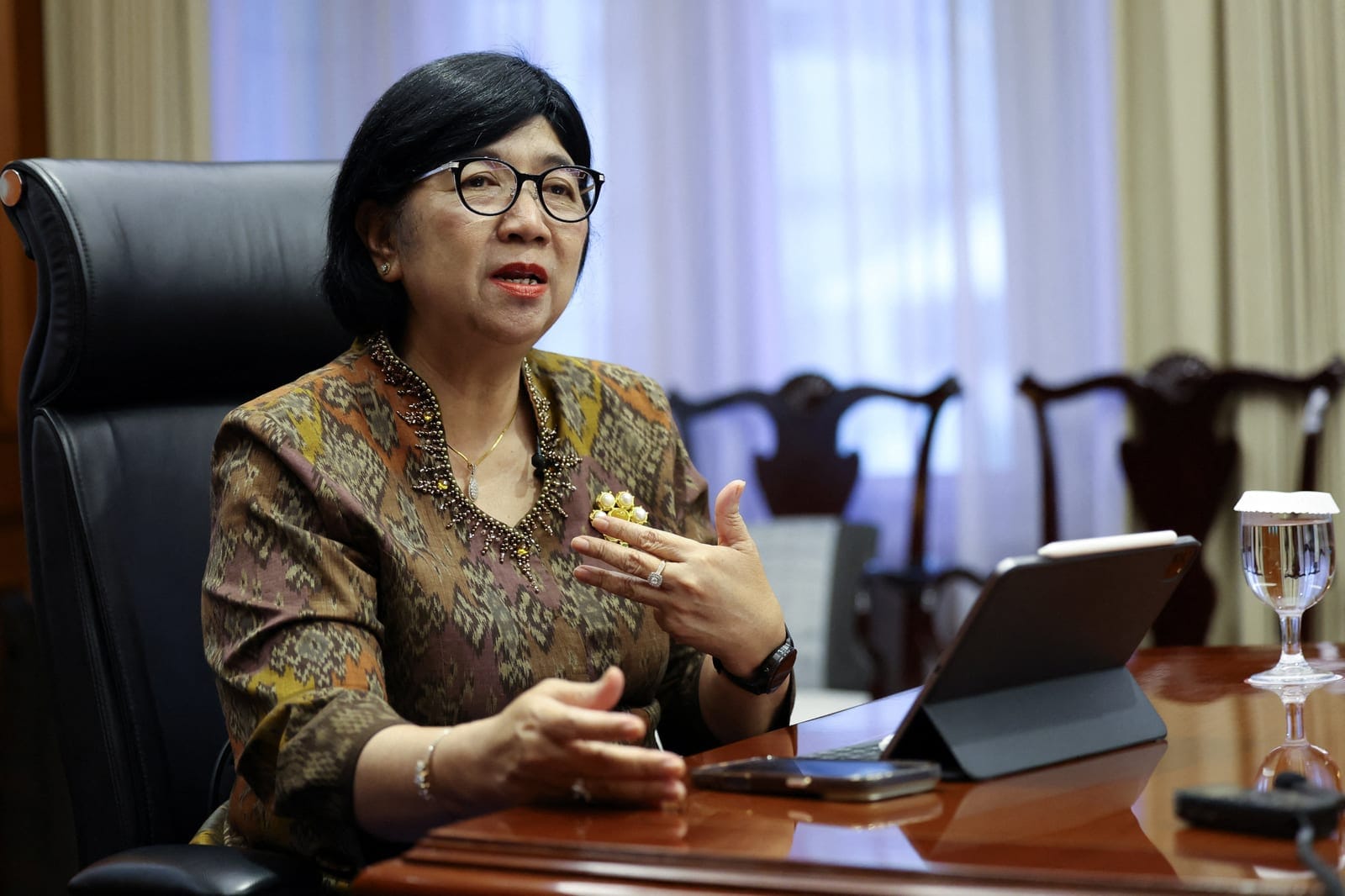
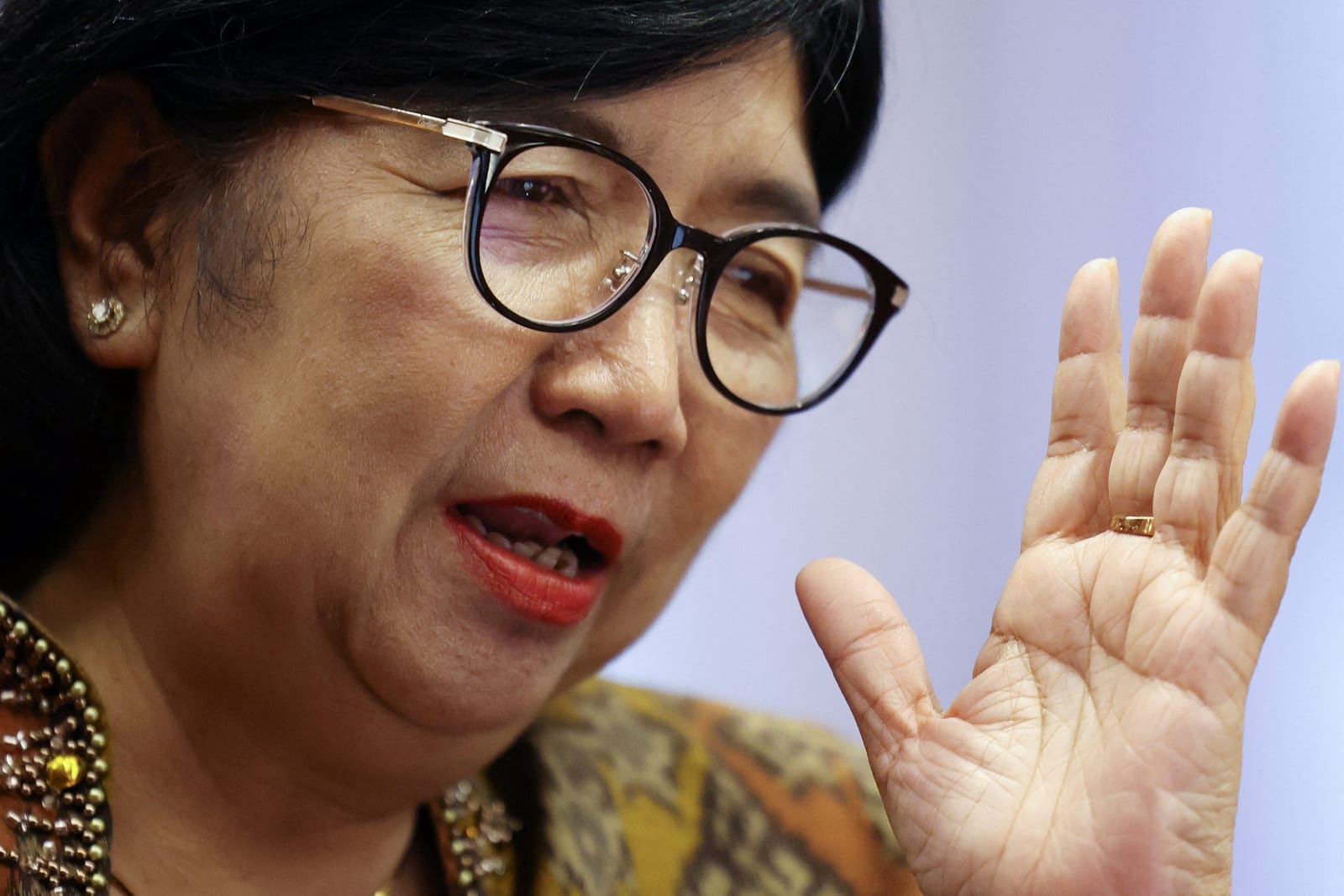
JAKARTA, Oct 12 (Reuters) - Indonesia's central bank has full autonomy to determine the level of its policy rates even though it is working more closely and in "synergy" with the government, its new chief said in an interview on Monday.
Destry Damayanti took over as Bank Indonesia governor last month following the surprise resignation of her predecessor in late July.
Coordination to ensure that fiscal and monetary policymakers are heading in the same direction will bode well for the economy, Destry told Reuters.
Though the government has been invited to attend a part of BI's monthly monetary policy review, and Destry herself participates in meetings with President Prabowo Subianto, the government has no say in BI's interest rate policy, she said.
"When we're about to make a policy decision - whether to raise or lower interest rates or to use other incentives - we have full authority to make that decision," she said.
Political interference at BI has been one of a host of deepening investor concerns about Indonesia, and one of the reasons why the rupiah has been emerging Asia's worst-performing currency.
This year, Prabowo appointed his nephew to a senior BI position and parliament also widened the bank's mandate to emphasise its role in promoting economic growth.
Investors have also been worried about Indonesia's fiscal health, changes in its export policies and transparency issues at the stock market.
Destry said the government's strategy on issuing rupiah and foreign currency bonds, its management of cash reserves and its methods to stimulate demand for loans were topics BI regularly discussed with the government.
"In Indonesia, the president is both the head of government and the head of state. BI is under the state of Indonesia, so automatically, if the president wants to know about developments, I think it's normal," she said.
FORWARD LIABILITIES IN FX RESERVES WILL BE ROLLED OVER
From May to June, BI raised interest rates by a total of 100 basis points to defend the rupiah, which fell to its weakest level in history in June. At the time, Destry was part of BI's board as the bank's second most senior official.
BI has since kept interest rates unchanged, but it has offered a discount on FX hedging instruments, an "innovative" policy that Destry said could add 40 basis points to foreign investor returns from rupiah assets without BI having to hike rates.
Asked about the possibility of BI resuming its tightening cycle, Destry said rate decisions would be data-dependent, but BI would be ready to respond when needed.
She described global uncertainties and the conflict in the Middle East as "a marathon" that was hard to predict, and against which BI must strengthen its "endurance".
At $146.3 billion, Indonesia's foreign exchange reserve level at the end of September was adequate to stabilise the rupiah, even though some of the reserves were in the form of US dollar placements at BI by commercial banks, Destry said.
Some market estimates put Indonesia's forward reserve liabilities at around $30 billion.
Most banks place their funds in instruments with one-year maturity, which would be rolled over, she said.
"They usually have what is called 'iron stock', a position that's guaranteed to always be here," she said, adding that improvements in exports would better strengthen FX reserves.
BI has also been signing agreements with trade partners like China, Japan, South Korea and Singapore to use respective local currencies to settle trade and investment deals, aimed at reducing US dollar dependency.
Transactions in local currencies have risen exponentially to reach a total of $49.42 billion this year to August, compared with $25.74 billion over the whole of last year, Destry said. About three quarters of that total were in Chinese yuan, she said.
A local currency settlement deal with India is also in the pipeline, she said.
(Reporting by Gayatri Suroyo and Stefanno Sulaiman; Editing by David Stanway)


